

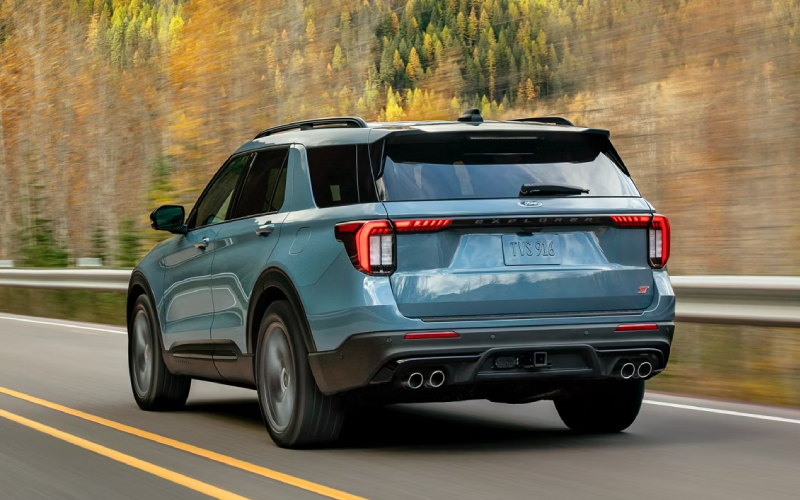
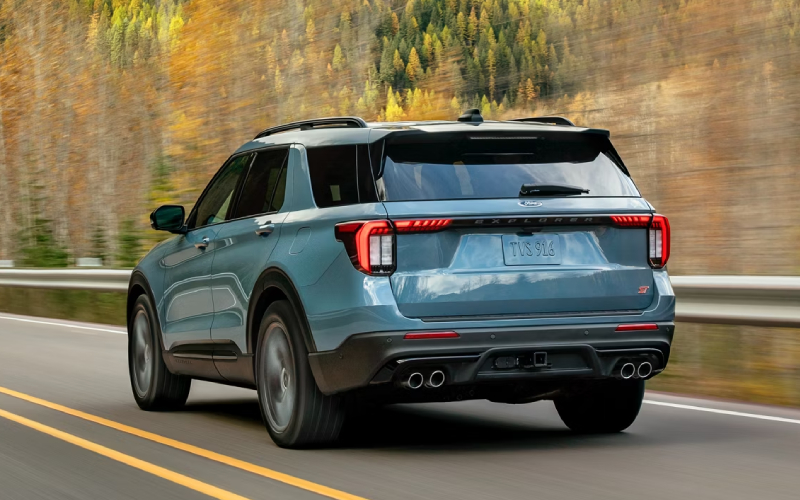
Al Packer Ford West Palm Beach – Which three-row SUV handles boat ramps and weekend towing around Palm Beach Gardens, FL better — the 2026 Ford Explorer or 2026 Toyota Highlander?
Boat launches are a Palm Beach tradition, and the right three-row SUV makes every weekend tow to the ramp feel calm and predictable. If you’re comparing the 2026 Ford Explorer and the 2026 Toyota Highlander for towing confidence around Palm Beach Gardens, FL, you’re probably asking the same question many local families do: which feels more in control when the ramp is slick, traffic is heavy, and the cabin is full? The short answer is that both can tow up to 5,000 pounds, but Explorer’s rear-wheel-drive foundation and available twin-turbo V6 tilt the balance toward smoother takeoffs, steadier tracking, and less strain in those high-commitment moments that matter.
Let’s unpack why that platform difference is so meaningful. Explorer begins with RWD and offers available Intelligent 4WD. That rear-drive bias helps keep weight transfer composed under load, which you’ll appreciate as you roll down an inclined, wet surface and pull a trailer back up. The drivetrain’s natural balance tends to feel unfussy—less nose-lift and more planted traction at the rear. Highlander, by contrast, starts with front-wheel drive and offers an advanced Dynamic Torque Vectoring AWD system that can shift torque rearward and side to side. It’s an excellent technology for mixed-surface traction and light trails, and it absolutely helps on rain-slick roads. But if your regular routine includes a boat ramp or frequent towing on crowded arterials, the Explorer’s layout and available twin-turbo torque make each launch and merge feel almost effortless.
What matters at the ramp
When you’re lining up at a busy ramp near John D. MacArthur Beach State Park or heading out from a community marina, the little things add up: measured throttle response, stable steering, camera visibility, and brake feel. Explorer addresses these with a 360-Degree Camera, selectable drive modes, and a Class III Trailer Tow Package that equips you for consistent, repeatable hookups. The available 3.0L EcoBoost® V6 adds confident low-end punch, so you can pull cleanly without needing long, revvy throttle inputs. Highlander counters with a helpful Panoramic View Monitor and Multi-Terrain Select on AWD models, which offer traction choices for different surfaces. It’s well thought out. Still, many drivers report the Explorer’s rear-drive traction and strong, progressive power delivery provide a more relaxed climb from the waterline—especially with a heavier boat or when a cross-breeze meets the trailer broadside.
Power and control in real traffic
Between the marina and home, Palm Beach Gardens traffic can turn a short hop into a series of quick merges and lane changes. Explorer’s available twin-turbo V6 and the refined 2.3L EcoBoost® both deliver assertive, predictable response, even with a trailer and passengers aboard. Highlander’s 2.4L turbo is plenty capable—and its hybrid option appeals to commuters—but when the cabin is full of coolers, life vests, and gear, Explorer’s torque curve feels like the calmer hand on the wheel. Either SUV pairs towing confidence with up to 5,000 lbs of capacity; the difference you feel is the way the Explorer settles into each maneuver as the RWD platform and long wheelbase work for you rather than asking you to work around the load.
Helpful tech when your hands are full
Tech can tip a long day toward easy. Explorer’s available Ford BlueCruise is built for hands-free highway driving on prequalified divided highways, ideal for those longer stretches when you’re coming back from the inlet and want to keep fresh for the ramp. You’ll also find Ford Co-Pilot360® driver-assist features and a 360-Degree Camera that make close-quarters moves less stressful with a trailer in tow. Highlander meets you with Toyota Safety Sense™ 2.5+ and available Panoramic View Monitor—tools that elevate confidence in everyday driving. Both SUVs are well equipped; the Explorer’s mix of hands-free capability and towing-friendly visibility gives it the practical edge for dual-duty family and weekend towing.
Cabin space and loading ease
Loading day-coolers, tackle, and trip essentials gets easier with space to spare. Explorer provides up to 85.8 cu ft of cargo room with rear rows folded, and its flat load floor and low liftover make it simple to get rolling without the Tetris. Highlander’s cargo space is generous as well, and its cabin layout is comfortable for families. If you’re frequently swapping between people-hauling and gear duty, Explorer’s extra room and storage solutions cut down on trips to the garage for tie-down reshuffles.
Your test drive checklist
To get an apples-to-apples feel, bring your routine with you—imagine a fully loaded Saturday. Take highway on-ramps, try a few rolling stops, and park in tighter marina-style spots. Turn on the 360-degree views, try the different drive modes, and pay attention to steering stability with simulated load conditions. Those sensations will tell you more than any spec sheet can.
- Ramp behavior: Practice gentle reverses and pullouts; note traction feel and throttle smoothness.
- Highway composure: Merge and change lanes with purpose; evaluate stability and steering weight.
- Hookup visibility: Use the camera systems to align; compare clarity and angles.
- Cabin flexibility: Fold seats and load bulky items; check height and liftover ease.
If your weekends revolve around the water, the 2026 Ford Explorer’s rear-drive dynamics, available Intelligent 4WD, towing-focused features, and confident power delivery create a calm, repeatable rhythm from driveway to dock and back again. That’s a big reason shoppers choose it after back-to-back drives. Al Packer Ford West Palm Beach is here to help you map trims and options to your boating plans and daily family life.
Frequently Asked Questions:
Do both SUVs tow 5,000 pounds?
Yes. Properly equipped, both Explorer and Highlander offer up to 5,000 lbs of towing capacity. The difference is how they deliver it—Explorer’s RWD platform and available twin-turbo V6 emphasize stable, stress-reducing control under load.
Is all-wheel drive available on both?
Yes. Explorer offers available Intelligent 4WD, while Highlander offers available Dynamic Torque Vectoring AWD. Each system enhances traction; Explorer’s rear-drive base architecture lends it a more planted towing feel.
Which has better visibility features for hitching?
Explorer offers a 360-Degree Camera to simplify alignment, and Highlander offers a Panoramic View Monitor. Both help; many drivers prefer the Explorer’s camera perspectives when pairing with a trailer solo.
What should I test on a drive if I plan to tow?
Replicate your normal routine: practice low-speed alignment, take highway on-ramps, evaluate brake feel, and fold the rear rows to test cargo versatility. The Explorer’s calm pullouts and stable merges tend to stand out.
Our showroom team is serving Boynton Beach, Palm Beach Gardens, and Loxahatchee with hands-on guidance, from tow package walkthroughs to drive mode demos. When you’re ready to see how it all comes together, plan a visit—our product specialists will keep the focus on the details that matter most to your boating and family routines.
Visit us to get a closer look and plan your weekend setup with the right tow accessories, wiring, and camera aids. The right build makes all the difference between a busy ramp and a smooth launch—and the Explorer’s balance of power, tech, and space is exactly why so many local drivers choose it.
Questions about timing, accessories, or which trim fits your gear? Our team at Al Packer Ford West Palm Beach will walk you through options and make sure your Explorer is ready for the water from day one.
Request more 2026 Ford Explorer information
Connect with us


- July 2026
- June 2026
- May 2026
- April 2026
- March 2026
- February 2026
- January 2026
- December 2025
- November 2025
- October 2025
- September 2025
- August 2025
- July 2025
- June 2025
- May 2025
- October 2024
- March 2024
- January 2024
- December 2023
- August 2023
- June 2023
- May 2023
- April 2023
- March 2023
- February 2023
- December 2022
- November 2022