Al Packer Ford West Palm Beach

Blog / Ford Transit

Blog

All Ford Transit Ford Model Features Ford Information Ford F-150 Ford Explorer Ford Super Duty F-250 Ford Dealer Ford Service Ford Bronco Ford Expedition Ford Super Duty F-350 2023 Bronco 2023 Escape Ford Parts Used Dealer
What to Know About the 2026 Ford Transit

What to Know About the 2026 Ford Transit

Al Packer Ford West Palm Beach - What to Know About the 2026 Ford Transit The 2026 Ford Transit continues to be one of the most flexible full-size vans available, built for people and businesses that need serious capability without sacrificing comfort, technology, or day-to-day usability. Whether your priority is transporting passengers, organizing equipment, supporting a growing fleet, or choosing a van that can adapt as needs change, the Transit offers a wide range of configurations to help you build around your work, your passengers, and your schedule. At Al Packer Ford West Palm Beach, we understand that shopping for a van is different from shopping for a typical vehicle. You may be comparing seating layouts, roof heights, cargo space, towing needs, fuel tank options, driver-assist features, and long-term service support. The 2026 Transit makes that process easier by offering a strong blend of practicality and modern refinement, with thoughtful updates that support both commercial and personal use. A Flexible Van Built Around Real Needs The 2026 Ford Transit is available in Passenger Van models such as XL and XLT, along with commercial-focused Transit Cargo Van options for businesses that need open space for tools, supplies, deliveries, or upfits. For passenger transportation, the Transit can seat up to 15 people depending on configuration, making it a smart fit for shuttle services, hospitality teams, large families, community organizations, schools, and private transportation providers. One of the strongest advantages of the Transit is its configurability. Ford offers multiple roof heights and body lengths, giving drivers the ability to choose a van that fits parking requirements, interior movement needs, and passenger or cargo demands. Low, medium, and high roof choices help match the vehicle to daily use, while long and extended-length options provide room for more people, gear, or specialized storage. Passenger flexibility: Seating can range from smaller passenger setups to configurations with room for up to 15 occupants. Roof height choices: Low, medium, and high roof options help support different access and interior space needs. Length options: Long and extended-length models make it easier to prioritize maneuverability or maximum interior room. Cargo adaptability: Available organization accessories can help keep supplies, tools, or luggage secure. Interior Comfort and Everyday Practicality The 2026 Transit is designed to make long days feel more manageable. Inside, the cabin offers a clean, functional layout with features meant to support drivers who spend significant time behind the wheel. Available 10-way power heated seats for the driver and front passenger help add comfort, while smart storage areas help keep important items within reach. In the XLT, a larger center console adds extra storage capacity along with integrated cupholders and an easy-to-use shifter layout. Passenger comfort is also a key part of the Transit experience. Wide interior space, practical entry and exit points, and available seating layouts make the van feel approachable for group transportation. The 50/50 hinged rear doors support loading and unloading, and an available wide-opening rear door setup can make cargo access even more convenient. Available close assist for the side door helps reduce the need to forcefully shut the door, a small but useful feature during frequent stops. Technology That Supports Confidence Technology in the 2026 Ford Transit is not just about convenience. It is about helping drivers stay informed, connected, and more confident in busy environments. SYNC 4 with Enhanced Voice Recognition comes standard with a 12-inch center display, offering a modern interface for communication, navigation support, media, and vehicle settings. The system is designed to reduce complexity, which is especially valuable in a work vehicle that may be used by multiple drivers. A new standard 8-inch instrument cluster display helps present key information clearly. This includes essential vehicle data such as tire pressure monitoring, helping drivers keep an eye on important details before small issues become larger disruptions. The Ford App also adds convenient ownership support, allowing compatible connected features and account tools to be accessed from a smartphone. Standard 12-inch center display: SYNC 4 helps make controls and connected features easier to access. Enhanced voice recognition: Voice commands help reduce distraction while managing select functions. New 8-inch cluster display: Important driving information is easier to view at a glance. Ford App support: Connected tools can help owners manage vehicle-related tasks more conveniently. Standard Driver-Assist Features Ford Co-Pilot360 technology is now standard on the 2026 Transit, which is a meaningful advantage for anyone operating a larger van in traffic, parking lots, loading zones, or tight driveways. Standard front and rear parking sensors help with low-speed awareness, while Pre-Collision Assist with Automatic Emergency Braking can provide added support when traffic ahead slows unexpectedly. The Lane-Keeping System can also help drivers stay more aware of lane position during highway driving. These features do not replace attentive driving, but in a full-size van, added awareness can make a noticeable difference. Business owners may also appreciate how standard driver-assist technology can support consistency across a fleet. For drivers moving passengers, supplies, or both, the Transit offers a reassuring technology foundation right from the start. Performance, Towing, and Capability The 2026 Transit offers two gas engine choices: a 3.5L PFDi V6 and an available 3.5L EcoBoost V6. Both are designed to deliver dependable strength for passenger transport, cargo hauling, and commercial upfit needs. A standard fuel tank is available, along with an extended-range fuel tank option for drivers who want fewer stops between fill-ups. Rear-wheel drive comes standard, while available Intelligent All-Wheel Drive adds extra traction support when road conditions or job-site surfaces call for more confidence. When properly equipped, the Transit can tow up to 4,500 pounds and offers strong payload capability, making it a practical choice for businesses that need one vehicle to handle people, tools, supplies, or trailers. Engine choices: Choose between a 3.5L PFDi V6 and an available 3.5L EcoBoost V6. Fuel tank options: Select the standard tank or an available extended-range fuel tank. Drive type: Rear-wheel drive is standard, with available Intelligent All-Wheel Drive. Towing strength: Properly equipped models can tow up to 4,500 pounds. Payload support: Certain configurations offer payload capacity up to 3,475 pounds. Who Should Consider the 2026 Ford Transit? The Transit is a strong match for a wide range of owners because it can be tailored for very different missions. A passenger van may serve a resort shuttle, church group, executive transport service, campus route, or large household. A cargo van may support electricians, plumbers, caterers, delivery teams, mobile service businesses, contractors, and fleet operators. The availability of gas-powered Transit Cargo Van models and the fully electric E-Transit Cargo Van also gives business shoppers more ways to align a vehicle with operational goals. For shoppers serving Jupiter, Delray Beach, and Boynton Beach, the Transit can be especially useful because it balances city-friendly visibility and access with the scale needed for growing work demands. Instead of forcing one-size-fits-all ownership, the 2026 Transit lets you think through roof height, length, seating, drivetrain, storage, and technology before choosing the build that works best. Why the 2026 Transit Stands Out The best commercial and passenger vans are not defined by a single feature. A great van has to be configurable, durable, comfortable, easy to operate, and supported by technology that helps simplify the workday. The 2026 Ford Transit checks those boxes with a proven platform and smart updates, including standard driver-assist features, a standard 12-inch touchscreen, a newly standard 8-inch cluster display, and a broad mix of seating and body configurations. If you are comparing vans, start with the most important questions: how many people or how much cargo do you need to carry, how often will the van be loaded, where will it be parked, and what technology will make daily use easier? From there, the Transit lineup gives you room to build a confident answer. Frequently Asked Questions: How many passengers can the 2026 Ford Transit seat? Depending on the configuration, the 2026 Ford Transit Passenger Van can seat up to 15 passengers, making it a strong option for group transportation and shuttle use. Is All-Wheel Drive available on the 2026 Ford Transit? Yes. Rear-wheel drive is standard, and available Intelligent All-Wheel Drive can add traction support for drivers who want extra confidence in changing road or worksite conditions. What engines are available for the 2026 Ford Transit? The 2026 Transit offers a 3.5L PFDi V6 engine and an available 3.5L EcoBoost V6 engine, giving shoppers a choice between dependable standard power and upgraded turbocharged performance. Does the 2026 Ford Transit include modern safety technology? Yes. Ford Co-Pilot360 is standard and includes helpful features such as front and rear parking sensors, Pre-Collision Assist with Automatic Emergency Braking, and a Lane-Keeping System. Can the 2026 Ford Transit tow? Yes. When properly equipped, the 2026 Ford Transit can tow up to 4,500 pounds, giving it useful capability for trailers, equipment, and business needs. Is the Transit better as a passenger van or a cargo van? That depends on your goals. The Passenger Van is ideal for moving people, while the Cargo Van is built for hauling supplies, tools, and equipment. Both offer the flexibility that makes the Transit lineup so popular. Request more 2026 Ford Transit information
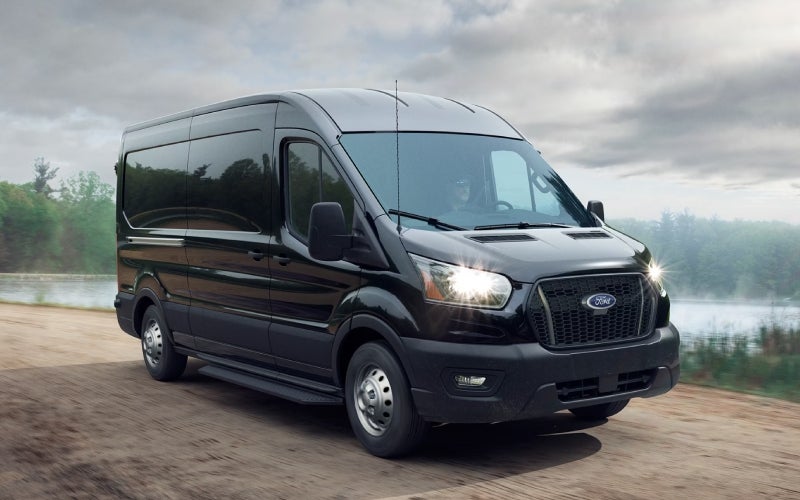
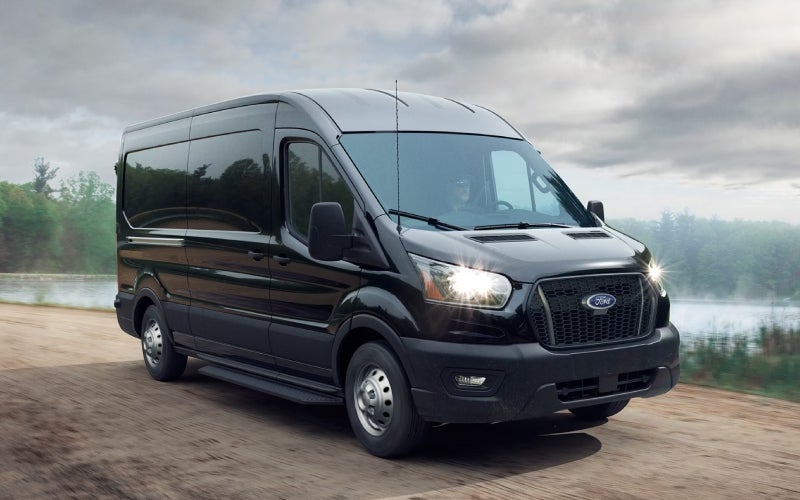
Which van offers better all-weather traction near Boynton Beach, FL — the 2026 Ford Transit or the 2026 Ram ProMaster?

Which 2026 Ford Transit® roof height works for parking around Jupiter, FL?

Al Packer Ford West Palm Beach - Which 2026 Ford Transit® roof height works for parking around Jupiter, FL? Choosing a 2026 Ford Transit® often comes down to a simple but critical ownership question: will it clear garages, covered lots, and drive-thrus you use around Jupiter, FL? At Al Packer Ford West Palm Beach, we help local shoppers match roof height to real-world routes so daily parking is as confident as the drive itself. Why roof height matters around Jupiter Between mixed-use garages along US-1, covered retail lots, school pickup canopies, and gated entrances in nearby communities, clearance can vary widely. Many structures post limits in the 7-foot range, and some coastal access points and service alleys sit lower. That makes roof height selection more than a preference—it is a day-to-day convenience and access decision for businesses, families, and shuttle operators who frequent Jupiter, Abacoa, and nearby beach corridors. Your choice also influences how comfortable loading is on busy routes—whether you are moving youth baseball gear to weekend games, shuttling guests downtown, or navigating hotel breezeways on airport runs. The right roof height should strike a balance between ease of entry inside the van and hassle-free entry to the places you go. 2026 Ford Transit roof heights at a glance Transit offers three roof heights across configurations, and knowing the exact figure helps you plan with confidence. Here is a quick look, using factory specs for overall vehicle height: Low Roof (82.4 in): Best chance of clearing many 7-foot posted garages and covered lots; always verify posted limits and accessory height. Medium Roof (99.2 in): Stand-up room for many adults inside the cargo area and easier aisle movement in passenger setups, but typically too tall for standard garages. High Roof (108.6 in): Maximum interior headroom and upfit flexibility—ideal for tall cargo or mobile workspaces—yet incompatible with most covered structures. Interior comfort scales up as the roof goes higher. For passenger vans, Medium and High Roof make moving between rows easier, while Low Roof maintains the broadest access to typical clearances around town. Measure once, buy right: a quick parking-fit checklist To keep your shopping laser-focused, a few simple measurements can prevent surprises later. Before you select your roof height, follow these steps and bring your notes when you visit our showroom: List your regular stops and the structures you use most—garages, canopies, breezeways, and car washes. Note posted clearance signs and measure your garage door opening if home parking applies—height at the lowest point and width at the narrowest point. Account for approach angles, ramps, and speed bumps that can effectively reduce workable height. Consider planned accessories—racks, antennas, beacons, or upfits add to overall height. Bring your tape measure to Al Packer Ford West Palm Beach and test-fit a Transit configuration on-site to verify comfort and clearance. Length is a separate decision from roof height, but it also influences parking confidence. Transit offers Long (235.5 in) and Extended (263.9 in) lengths. If you expect frequent parallel parking near downtown Jupiter or tight hotel loops, pairing Low Roof with the Long length can make maneuvering simpler. Standard front and rear parking sensors—part of Ford Co-Pilot360®—further help you thread the needle in close quarters. Think through how you load and unload, too. Passenger Van XLT models offer a 50/50 Hinged Rear Door with Available 253-Degree Rear Door Opening that helps when space behind the vehicle is limited, such as curbside pickup or loading zones. For families, youth groups, or hospitality shuttles, Medium Roof can be a standout for moving inside the cabin more naturally, provided your routes avoid garages under 8 feet. Trades and mobile service operations that set up inside the van will appreciate High Roof working height—but expect to plan surface parking for most stops. Engines, AWD, and the Jupiter driving experience Roof height does not change how the Transit drives, but your powertrain can fine-tune confidence on our coastal roads. Choose from a 3.5L PFDi V6 or the 3.5L EcoBoost® V6, both paired with a 25-gallon fuel tank and an available 31-gallon Extended Range Fuel Tank for longer stretches between fill-ups. Rear-Wheel Drive is standard, and Available Intelligent All-Wheel Drive adds traction reassurance when summer downpours leave roads slick or when boat ramps and sandy shoulders demand extra grip. Daily usability is backed by technology that makes big vehicles easy to live with. SYNC® 4 with a 12" Center Display is standard, bringing modern connectivity and Enhanced Voice Recognition to the cabin. Safety and driver assistance features in Ford Co-Pilot360® include front and rear parking sensors, Pre-Collision Assist® with Automatic Emergency Braking, and a Lane-Keeping System—great companions when navigating busy lots near the water or crowded event venues. Comfort also gets a boost on long days. Seating for up to 15 passengers is available, and you can opt for 10-way power heated seats for the driver and front passenger. A new 8" Cluster Display keeps essentials—like the standard Tire Pressure Monitoring System—easy to see at a glance. If you are still weighing which roof height makes sense for your routes, mapping common use cases to the Transit lineup can help narrow it down quickly. Mostly covered parking and tight urban stops: Low Roof protects access to many posted 7-foot structures and simplifies daily in-and-out. People-moving with frequent aisle movement: Medium Roof adds headroom that makes boarding and seat changes more comfortable—plan for surface parking. Mobile workspace or tall cargo handling: High Roof maximizes interior standing room and upfit potential—expect to skip garages and canopies. Mixed routes with occasional garages: Low Roof with the Long length balances interior space with clearance flexibility. Our team’s advice: start with where you park most often, confirm posted clearances, then pick the tallest roof that still fits your routine. That approach preserves the Transit’s usability while giving you the headroom or access that matters most. Ready to see the differences side by side? Visit Al Packer Ford West Palm Beach. We can line up Low, Medium, and High Roof Passenger Vans, walk you through seat configurations, and even help you test-fit clearances with your measurements. If you plan to add racks or lighting, our parts and upfit specialists will factor in accessory height before you decide. Frequently Asked Questions: What are the exact roof heights for the 2026 Ford Transit? Transit offers three overall vehicle heights: Low Roof at 82.4 inches, Medium Roof at 99.2 inches, and High Roof at 108.6 inches. Always verify the final height after any accessories or upfits are installed. Will a Low Roof Transit fit in a typical 7-foot garage around Jupiter? Low Roof at 82.4 inches has the best chance of clearing many 7-foot posted structures. However, posted limits, ramp angles, and speed bumps can effectively reduce usable height. Measure the entrance’s lowest point and approach angle, and confirm with a test-fit when possible. Does adding a rack or beacon change Transit garage clearance? Yes. Any accessory mounted above the roofline adds to the overall height. Factor in the tallest point—rack crossbars, ladders, antennas, or lighting—when comparing to posted clearance. Our team can measure your chosen accessories before installation. Is Intelligent AWD available on the 2026 Ford Transit? Yes. Available Intelligent All-Wheel Drive can enhance traction confidence on slick surfaces or sandy shoulders around coastal access points. It does not change the vehicle’s published roof height. How many passengers can the 2026 Ford Transit seat? Transit Passenger Van offers seating for up to 15 passengers, depending on configuration. We can help you compare layouts and aisle space for each roof height. What is the maximum towing capacity for the 2026 Ford Transit? When properly equipped, Transit is rated to tow up to 4,500 pounds. Always consult the Owner’s Manual for specific configuration details and ensure trailer and cargo weights remain within ratings. Which trims offer the 253-degree rear door opening? Passenger Van XLT offers a 50/50 Hinged Rear Door with Available 253-Degree Rear Door Opening. This feature can make curbside loading easier when space behind the vehicle is limited. Whether you shuttle guests to Harbourside-adjacent venues, run teams to local fields, or manage deliveries near the coast, the right 2026 Ford Transit roof height will keep your day moving smoothly. Stop by Al Packer Ford West Palm Beach to compare Low, Medium, and High Roof vans, verify clearances with your measurements, and build a Transit that fits your routes around Jupiter from day one. Request more 2026 Ford Transit information
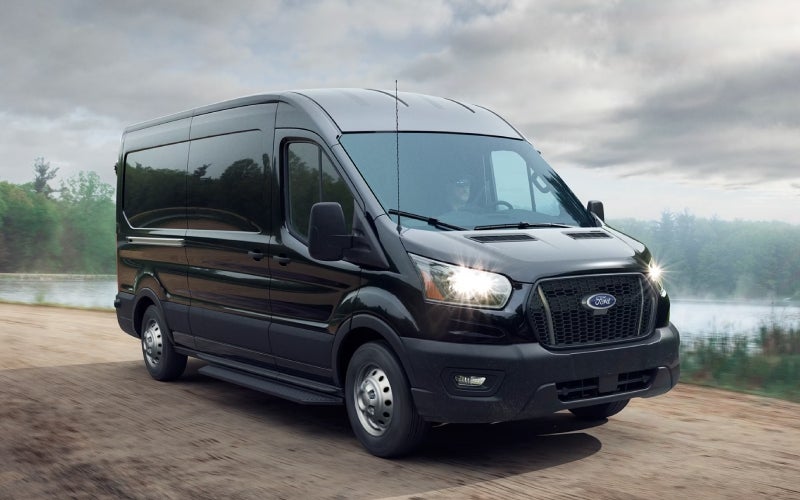
Workday Efficiency and Confident Maneuvering with the 2026 Ford Transit around Palm Beach Gardens, FL

Which van carries more people comfortably around Palm Beach Gardens, FL — the 2026 Ford Transit or the 2026 Ram ProMaster?

Al Packer Ford West Palm Beach - Which van carries more people comfortably around Palm Beach Gardens, FL — the 2026 Ford Transit or the 2026 Ram ProMaster? Choosing a full-size van for mixed duty is rarely a single-issue decision. When customers ask which model carries more people comfortably for airport runs, campus shuttles, and client hospitality near Palm Beach Gardens, FL, we walk through use cases, not just spec sheets. Both vans have earned loyal followings. But if your routes include frequent multi-stop loops, luggage and gear, and drivers rotating in and out throughout the day, seating flexibility and standard tech can make or break the experience for passengers and staff alike. Here’s the short version up front: the Transit Passenger Van seats up to 15, while the ProMaster’s Crew Van package seats up to six. That difference isn’t just a number—it changes how many trips you make, how easily you group riders, and how smoothly you can scale on busy weekends. Beyond headcounts, Ford’s standard SYNC 4 with a 12-inch center display keeps directions, phone, and apps simple for any driver to pick up and go, while the available 10-way power heated front seats help the team stay fresh on repeated loops. Seating flexibility that pays off all day Transit’s Passenger Van layout offers modern aisle access, open sightlines, and the kind of shoulder and legroom that matters to guests, patients, or school groups. If your day includes moving people plus gear—think golf bags, tools, or AV cases—configurable seating and deep rear cargo space provide the breathing room you need. ProMaster’s Crew Van option is handy for teams that primarily haul materials and occasionally bring a small crew along. But if your primary mission is people-moving, the broader seating strategy in Transit reduces the number of trips and the friction between stops. Several operators tell us their biggest productivity wins come from the little details. Transit’s sliding side door Close Assist helps with quick exits from hotel or hospital zones without the slam that can unsettle passengers. Wide cargo openings and available 253-degree rear doors mean loading strollers, walkers, or instruments is less awkward. And because SYNC 4 is standard, even fill-in drivers can manage calls and navigation without hunting through menus or connecting cables. Ride comfort and control where it counts Passenger comfort isn’t just about seat count. It’s about how the van behaves with people and luggage on board. Transit’s Rear-Wheel Drive platform brings a composed, planted feel under load, and available Intelligent All-Wheel Drive is there when the surface gets sandy, slick, or uneven. That matters if you’re pulling to the curb, crossing painted crosswalks, or inching around tight hotel drives. ProMaster’s Front-Wheel Drive and tidy turning circle are useful in cramped zones, yet the absence of an AWD option limits traction strategies when conditions get tricky. Transit’s two-engine lineup—3.5L PFDi V6 or the available 3.5L EcoBoost V6—also means you can tailor response to your routes. The naturally aspirated V6 serves steady daily duty, while the EcoBoost option provides strong mid-range for confident merges and passing when schedules start to stack up. ProMaster’s Pentastar V6 is a dependable workhorse, but without an optional engine upgrade, you can’t adjust the powertrain to your use case as precisely. Tech that helps drivers look after passengers When you’re moving people, driver assistance and clarity of information matter. Every Transit includes Ford Co-Pilot360 with Pre-Collision Assist with Automatic Emergency Braking, a Lane-Keeping System, and front and rear parking sensors. That strong standard bundle supports smooth, safe maneuvering at terminals and loading zones. ProMaster offers a solid mix of standard and available safety technology—including available Active Driving Assist and available 360-degree Surround View—but its most sophisticated systems are optional and can vary by build. Standardizing core driver-assist tech across Transit trims keeps the fleet experience consistent. And because the 12-inch SYNC 4 touchscreen and the new 8-inch cluster are both standard, turn-by-turn directions, alerts, and phone calls are easy to manage without diverting attention. That means fewer missed ramps and smoother stops—things riders notice even if they never mention them. Seating capacity: Transit Passenger Van seats up to 15, ProMaster Crew Van seats up to six—dramatically different outcomes for group moves. Standard tech: Every Transit gets SYNC 4 with a 12-inch display and Ford Co-Pilot360 driver-assist features to support safe, polished service. Traction choices: Transit offers available Intelligent All-Wheel Drive for traction confidence when surfaces are damp, sandy, or uneven. For most people-focused operations—airport shuttles, health system transport, hospitality, and school or camp groups—the Transit Passenger Van’s layout, standard tech, and traction strategy make daily runs smoother. If you primarily haul materials and sometimes bring a small crew, ProMaster’s Crew Van is a practical alternative, but it is not a direct substitute for a 15-passenger solution. How we guide you to the right build We start by mapping routes and loads: where you pick up, how often you stop, where you park, and how cargo mixes with people. Then we help you choose roof height, length, seating layout, and accessories to fit. Because details like door swing angles and aisle access shape minute-by-minute efficiency, we focus on how the van actually moves through your day rather than chasing big numbers that rarely show up on the clock. You can expect clear guidance on driver-assist features, visibility aids, and organization solutions, so your team is confident from day one. And for operations that flex between cargo and riders, we’ll outline seat configurations and storage that handle both without dragging down turnaround times. Frequently Asked Questions: Can I get All-Wheel Drive on either van? Transit offers available Intelligent All-Wheel Drive; ProMaster is Front-Wheel Drive only with no AWD option. Which van comes with a larger standard touchscreen? Transit includes a standard 12-inch SYNC 4 display; ProMaster’s Uconnect 5 has a 7-inch screen standard, with a 10.1-inch unit available. What if I need to shuttle more than 10 people at a time? Transit Passenger Van can be configured for up to 15 seats, while ProMaster’s Crew Van package seats up to six. How do driver-assist features compare? Transit makes a robust suite standard, including Pre-Collision Assist with Automatic Emergency Braking, a Lane-Keeping System, and front and rear parking sensors. ProMaster offers strong standard and available systems, but some advanced features require specific packages or trims. If you are weighing people-moving capacity against the pragmatic needs of daily routes, the Transit Passenger Van’s 15-seat flexibility and standard tech often add up to fewer trips and a smoother experience. For expert help matching your van to your routes—and keeping it in top shape—connect with Al Packer Ford West Palm Beach, serving Boynton Beach, Palm Beach Gardens, and Loxahatchee. Request more 2026 Ford Transit information
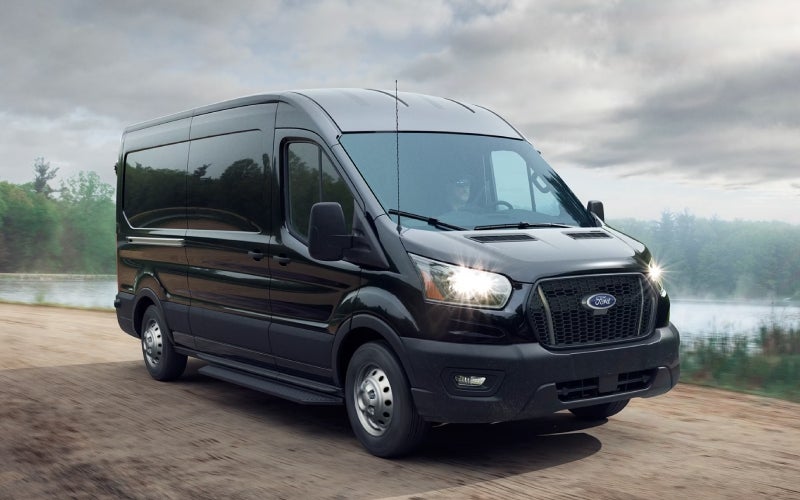
Workday Efficiency and Confident Maneuvering with the 2026 Ford Transit around Palm Beach Gardens, FL

Workday Efficiency and Confident Maneuvering with the 2026 Ford Transit around Palm Beach Gardens, FL

Al Packer Ford West Palm Beach - Workday Efficiency and Confident Maneuvering with the 2026 Ford Transit around Palm Beach Gardens, FL The 2026 Ford Transit® is the kind of van that simplifies busy days without calling attention to itself. That’s exactly what many owners want — intuitive tech, flexible seating and cargo layouts, and driving manners that reduce fatigue in dense traffic or on multi-stop routes. Around Palm Beach Gardens, FL, where a day might include coastal pickups, office campus loops, and quick detours for gear, this Transit® stands out because it adapts to the plan rather than forcing the plan to adapt to the van. Below, explore how two core strengths — interior flexibility and driver-assist confidence — make life easier for shuttle operators, service pros, and team leaders who value smart time management as much as capability. Right-sized space for people, packages, and tools Start with the basics: space that works as hard as the schedule. The Transit® can be configured from two seats up to 15, with the mix of rows and aisle access set to match your use case. If your day toggles between client pickups and equipment hauls, the available interior organization accessories help secure cases, bins, and odd-shaped items, so the cabin stays tidy between stops. The sliding side door’s Close Assist feature also earns immediate appreciation; it draws the door in for a firm seal without a full-force shove, a relief when hands are full, and the curb is busy. Tech aligns with that everyday usability. Standard SYNC® 4 with a 12-inch center display looks crisp and responds quickly, whether you’re entering an address, placing a hands-free call, or adjusting audio. A new 8-inch instrument cluster display is standard too, placing essentials — including the standard Tire Pressure Monitoring System (TPMS) — squarely in view. The result is a cabin that helps drivers stay focused while passengers settle in. Confidence from curb to highway Driver-assist features do more than add a bullet point to a spec sheet — they can reduce the small stresses that add up. Ford Co-Pilot360® is now standard and includes front and rear parking sensors for better low-speed awareness, Pre-Collision Assist® with Automatic Emergency Braking for added support in potential frontal hazards, and a Lane-Keeping System that can provide gentle steering assistance when lane markings are detected. If your routes span neighborhood streets and multi-lane corridors, these features help buses, shuttles, and vans navigate with assurance, especially when visibility challenges appear at loading zones or mall entrances. Powertrain choices are equally practical. Select the 3.5L PFDi V6 for smooth, reliable output, or opt for the 3.5L EcoBoost® V6 if heavier loads and steeper approaches are part of the week. Available Intelligent AWD brings added traction when a jobsite approach turns to gravel or an office park exit includes slick patches after sprinkler cycles. For operators who clock long shifts, the available 31-gallon fuel tank reduces stops and keeps the schedule moving. Choosing the right roof height and length Three roof heights and two lengths let you right-size the van at order time. Low Roof keeps overall height down for tighter garages. Medium Roof opens up headroom while preserving maneuverability. High Roof maximizes stand-up space, which can transform loading efficiency for boxy gear or frequent passenger entry. If your work often includes airport transfers around county corridors or hotel loops where luggage stacks quickly, pairing the Extended length with the appropriate roof can eliminate the need for a second trip. To help visualize the fit, consider this quick guide: Low Roof: Better for garages, tighter clearances, and frequent city parking structures. Medium Roof: A balanced choice for mixed passenger-and-cargo needs with improved headroom. High Roof: Best when stand-up loading or tall equipment is part of daily operations. Long Length: Useful for regular shuttle routes and moderate cargo without sacrificing agility. Extended Length: Maximizes seating and luggage capacity when your schedule stacks back-to-back groups. Before placing an order, many shoppers want specifics about towing, payload, and traction. Here are concise answers to common questions that often come up during test drives and configuration sessions. Frequently Asked Questions: How many people can the 2026 Ford Transit® seat? Up to 15, depending on configuration. The seating layout can be tailored to balance rows and aisle space for luggage or gear. Is All-Wheel Drive available? Yes, Intelligent AWD is available and works seamlessly to deliver added traction when conditions call for it. What about towing and payload? When properly equipped, the Transit® is rated to tow up to 4,500 lbs and offers a max payload of up to 3,475 lbs, providing useful flexibility for small trailers or additional equipment. Which tech features are standard? SYNC® 4 with a 12-inch center display is standard, along with a new 8-inch instrument cluster display and Ford Co-Pilot360® driver-assist features that include front and rear parking sensors, Pre-Collision Assist® with Automatic Emergency Braking, and a Lane-Keeping System. Why this van fits local routes Around Palm Beach Gardens, daily driving blends multi-lane boulevards, shopping district curbs, and campus-style office parks with frequent stops. The Transit® feels purpose-built for that rhythm. The big windows and upright driving position enhance sightlines. The standard parking sensors assist in tight zones. And the choice of roof heights and lengths makes it simpler to match garage access, luggage demands, and passenger counts. Equally important is uptime. An available 31-gallon extended-range fuel tank keeps the van on the move longer. Straightforward service scheduling and mobile-friendly support tools mean maintenance can be planned around the work week rather than the other way around. That’s the kind of practical advantage owners notice during month six and month sixteen, not just week one. When you are ready to tailor your configuration, our team will walk through powertrain choices, seating plans, and accessories that align with your must-haves. From the first consultation to final delivery, Al Packer Ford West Palm Beach offers the guidance and care that keep buyers confident and informed. We are proud of a customer-first approach, serving Palm Beach Gardens, Loxahatchee, and Wellington with friendly, knowledgeable support that respects your time. If a test drive or a deep-dive comparison is next on your checklist, bring your use case, your route map, and your questions — our specialists will help you lock in a Transit® that fits the plan and grows with it. Request more 2026 Ford Transit information
Which van offers better all-weather traction near Boynton Beach, FL — the 2026 Ford Transit or the 2026 Ram ProMaster?

Which van offers better all-weather traction near Boynton Beach, FL — the 2026 Ford Transit or the 2026 Ram ProMaster?

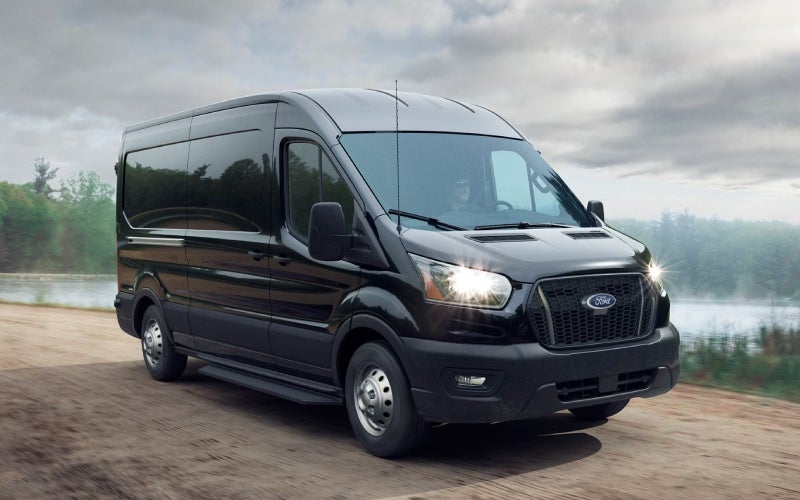
Al Packer Ford West Palm Beach - Which van offers better all-weather traction near Boynton Beach, FL — the 2026 Ford Transit or the 2026 Ram ProMaster? What do buyers really mean by all-weather traction? Shoppers asking about all-weather traction usually want a van that feels planted when roads turn wet, sandy, or slick, and that stays composed with a full load or small trailer attached. That is where drivetrain layout and available systems make the difference. The 2026 Ford Transit® starts with a rear-wheel-drive foundation and adds available Intelligent All-Wheel Drive, giving the platform stable, predictable load handling with the option for automatic torque redistribution when grip changes. The 2026 Ram ProMaster® uses a front-wheel-drive setup that helps interior packaging and contributes to a tight turning circle. Both designs have strengths, but for mixed conditions around coastal routes and business corridors, confidence under load is the deciding factor. When traction is scarce — a painted boat ramp, a sandy alley behind a shop, a rain-soaked curb cut — moving off smoothly can determine whether the day stays on schedule. Transit® shines in those moments. Rear-wheel drive channels weight transfer under acceleration, where the van can use it, and available Intelligent AWD automatically responds to slip without driver intervention. It is a natural fit for small fleets that jump between city errands and weekend jobs, or for shuttle operators who run rain or shine around Boynton Beach, FL. How Intelligent AWD in Transit works for everyday routes Transit® Intelligent All-Wheel Drive is designed to function transparently, sending torque to the front axle when the system senses changing traction demands and returning to an efficient balance when the surface improves. Drivers simply steer and go. Because Transit® retains a rear-drive bias, the van continues to behave like a steady, load-friendly platform that feels natural with passengers or payload on board. Pair that with standard Ford Co-Pilot360® features — Pre-Collision Assist® with Automatic Emergency Braking, a Lane-Keeping System, and front and rear parking sensors — and the van adds layers of calm to low-speed maneuvering and busy intersections. Technology integration matters too. SYNC® 4 with a standard 12-inch center display places camera views, navigation, and app content from the FordPass® App right where drivers expect them. The updated 8-inch cluster keeps alerts crisp at a glance. Those touches save seconds at each stop and reduce friction across the workday, an advantage you notice by mid-week and appreciate by month’s end. ProMaster strengths and where it fits The 2026 Ram ProMaster® has real advantages that certain routes or upfits will value. Front-wheel drive helps enable a low load floor and contributes to a best-in-class turning diameter of 36 feet, which can ease tight urban staging. With available features such as the 360° Surround View Camera, LaneSense® Lane Departure Warning with Lane Keep Assist, and Active Driving Assist for Level 2 support on approved roads, ProMaster® covers a lot of safety ground. The 3.6L Pentastar® V6 delivers 276 horsepower and 250 lb-ft of torque through a TorqueFlite® transmission, and Uconnect® 5 offers either a standard 7-inch or available 10.1-inch touchscreen. If the job is primarily point-to-point deliveries on consistent pavement, ProMaster® checks key boxes. However, when the plan includes a mix of highway stints, boat ramps, or sandy side streets, many operators lean toward a rear-drive platform with the option for AWD assist. That is the scenario where Transit® separates itself. Putting it together for coastal businesses Across South Florida, routes can swing from a quick errand near a loading dock to a client pickup along a windy stretch or a last-minute tow of a small utility trailer. Transit® is built for that variety with standard RWD stability and available Intelligent AWD that mitigates the guesswork. ProMaster® remains an excellent urban specialist with abundant cargo space and tight turning. But for all-weather assurance that pairs naturally with people-moving and light towing, Transit® is hard to beat. This is also where the cabin technology mix supports decision-making. Transit® offers standard SYNC® 4 with a 12-inch center display and an updated cluster for clear alerts. ProMaster® responds with available 10.1-inch Uconnect® 5 NAV and a wide-angle camera suite. For buyers who prefer more core tech standard — and want the option to add traction without changing driving habits — Transit® holds the advantage. At Al Packer Ford West Palm Beach, our product specialists map those details to your daily routes, seasonal projects, and upfit plans. You get real answers about roof heights, door openings, camera views, and how AWD behaves when the sky opens up. We are proud to be serving Delray Beach, Boynton Beach, and Palm Beach Gardens with guidance that keeps vans productive for years. Choosing confidently: questions to ask on a test drive Bring your routine to the showroom. If a typical week includes airport shuttles, client site visits, and a few supply runs, recreate that path on your drive loop. Ask to try a tight turn in a loading zone, a stop-and-go stretch, and a highway merge. With Transit®, also request a demonstration of Intelligent AWD behavior on a low-grip patch. With ProMaster®, sample the compact turning radius in a constrained lot. The goal is not just to feel power, but to sense control with a van full of seats or equipment. Traction priority: Do you routinely launch on wet, painted, or sandy surfaces where available AWD could keep the schedule moving? Load and people mix: Will you benefit from seating for up to 15 in Transit® or primarily carry a crew of up to six in a ProMaster® Crew Van? Tech expectations: Do you want a standard 12-inch screen and Ford Co-Pilot360® on every Transit®, or prefer to add larger screens and specific assists as options in ProMaster®? Frequently Asked Questions: Does Intelligent AWD change how Transit® drives on dry pavement? No. Transit® retains a rear-drive character for natural, stable handling. Intelligent AWD remains transparent on dry pavement and steps in when traction changes, then eases back as grip returns. Can ProMaster® handle wet weather without AWD? Yes. ProMaster® is front-wheel drive and offers safety features such as Forward Collision Warning with Active Braking and available LaneSense® Lane Keep Assist. For operators who rarely face low-grip launches or uneven surfaces, FWD can be a practical fit. Which van is better if I tow occasionally and carry passengers? Both can tow and carry, but many buyers prefer Transit® for its rear-drive stability under load and the option to add Intelligent AWD. For occasional towing plus frequent people-moving, that blend can feel especially reassuring. Bottom line — when the route mix includes unpredictable traction changes, the 2026 Ford Transit® powertrain layout and available Intelligent AWD provide a confident edge. When the job stays mostly on consistent pavement with frequent tight turns, the 2026 Ram ProMaster® brings strengths of its own. Match the platform to your routes, then tailor roof height, length, and seating to lock in productivity. Request more 2026 Ford Transit information
How to Choose the Right 2026 Ford Transit® for Your Routes around Boynton Beach, FL

How to Choose the Right 2026 Ford Transit® for Your Routes around Boynton Beach, FL

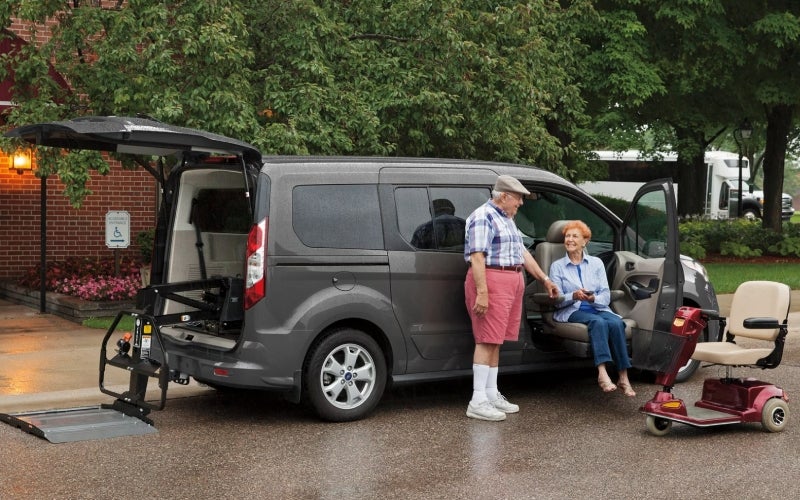
Al Packer Ford West Palm Beach - How to Choose the Right 2026 Ford Transit® for Your Routes around Boynton Beach, FL Here’s a helpful way to think about the 2026 Ford Transit® if you run passenger shuttles, mobile services, or deliveries around Boynton Beach, FL — start with your routes, then dial in your roof height, body length, and drivetrain to fit. With three roof heights, two lengths, two strong gas engines, and available Intelligent All-Wheel Drive, Transit® is built to match the way you actually work. In this guide, we’ll focus on two make-or-break decisions for local operators: choosing the best configuration for capacity and access, and understanding how driver-assistance tech can streamline your day and your training plans. If your stops include hotels, medical offices, schools, or corporate parks, capacity and turnaround time at the curb matter. Transit® offers seating from two to up to 15 passengers and two body lengths — Long (235.5 inches) and Extended (263.9 inches) — so you can scale to your peak headcounts or cargo volume. The available 253-degree rear door opening and the side door’s Close Assist feature make tight loading zones easier to handle without slamming doors or shuffling seats. Drivers appreciate the wide step-in areas and sturdy grab handles that make frequent entries and exits more efficient and safer for everyone on board. Right-sizing height and length for urban and coastal routes For operators navigating garages and tighter clearances, the Low Roof height (82.4 inches) is a smart starting point. Medium Roof (99.2 inches) strikes a balance if you regularly carry taller riders or need room for interior racking and bins. If walk-in aisle height is a priority for quick seating changes or equipment access, the High Roof (108.6 inches) delivers a spacious, professional environment that your team and customers will notice. Pair your roof height with Long or Extended length based on actual cargo and passenger demand — aim for a setup that covers 90 percent of your use cases without over-sizing the van. Capacity is only half the story. Transit® complements its dimensions with standard SYNC® 4 and a 12-inch center display, so the cockpit is modern, intuitive, and easy to learn across a rotating driver pool. Enhanced Voice Recognition helps keep hands on the wheel, while the new standard 8-inch instrument cluster places status checks — including the standard Tire Pressure Monitoring System (TPMS) — front and center. That means faster onboarding for new drivers and fewer mid-route surprises. Why driver assistance is more than a convenience Ford Co-Pilot360® is standard and includes features your team will immediately value: front and rear parking sensors for precise curb work, Pre-Collision Assist® with Automatic Emergency Braking, and a Lane-Keeping System to help reduce drift during longer drives. Taken together, these systems help support safer habits and less fatigue — a win for any shuttle or delivery operation. If your routes stretch into loose surfaces or mixed pavement, available Intelligent All-Wheel Drive automatically optimizes power delivery, making starts on uneven shoulders or sandy pull-offs feel composed and drama-free. Transit® also offers two engines to match load profiles and driving patterns. The 3.5L PFDi V6 is a dependable, naturally aspirated workhorse for stop-and-go duty, while the available 3.5L EcoBoost® V6 adds turbocharged torque that’s excellent for fully loaded vans and more highway merging. Factor in the standard 25-gallon tank or the available 31-gallon Extended Range Fuel Tank, and you can tune your refueling cadence to your most common routes. Quick configuration takeaways Roof height selection: Low for garages, Medium for flexibility, High for walk-in aisle space and interior upfits. Length planning: Long for balanced maneuverability, Extended for maximum seating or cargo volume. Engine choice: 3.5L PFDi V6 for steady-duty cycles, available 3.5L EcoBoost® V6 for heavy loads and confident passing. Traction needs: Standard RWD for predictable handling, available Intelligent AWD for mixed-surface pull-offs and jobsite access. Door configuration: Standard 50/50 Hinged Rear Door, available 253-degree opening for curbside loading flexibility. That flexibility extends into the cabin. Available 10-way power heated front seats help reduce fatigue on longer shifts, while interior organization accessories secure tools, tablets, and supplies. If your team runs high-turn routes with frequent on-and-offs, these ergonomic details add up to smoother days and fewer disruptions. Frequently Asked Questions: How many people can the 2026 Ford Transit® seat? Depending on configuration, Transit® can seat from two to up to 15 passengers, making it a strong fit for corporate shuttles, schools, hotels, and event transportation. Is Intelligent All-Wheel Drive available on Transit®? Yes. Available Intelligent AWD automatically adjusts torque to the wheels with the most grip, enhancing traction on loose or uneven surfaces and supporting confident launches and turns. What driver-assist features come standard? Ford Co-Pilot360® is standard and includes front and rear parking sensors, Pre-Collision Assist® with Automatic Emergency Braking, and a Lane-Keeping System. Which engine is right for my operation? The 3.5L PFDi V6 is a strong, dependable option for steady, stop-and-go duty. If you frequently carry maximum loads or need brisk highway merging, the available 3.5L EcoBoost® V6 offers turbocharged torque that shines under demand. When you’re mapping routes across downtown corridors, waterfront venues, and business parks, two capabilities matter every day — how quickly you can adapt the cabin, and how confidently your drivers can handle tight spaces. Transit® helps on both fronts. The large side door with Close Assist speeds up passenger entry and cargo access, while standard parking sensors reduce the small dings that can sideline a van. From a training standpoint, the clear, modern layout of SYNC® 4 with its 12-inch screen shortens the learning curve, so part-time and seasonal drivers can ramp up quickly. If you’re building a mixed fleet, keep standardization in mind. Selecting consistent roof heights and lengths across your vans simplifies driver training and reduces mismatches in route planning. Likewise, choosing the same engine across most of your vehicles can streamline maintenance and parts stocking. For routes that include gravel pull-offs, jobsite entries, or coastal access points, specifying available Intelligent AWD on a subset of vans gives you a versatile tool for those specific days, without over-specifying your entire fleet. Ready to tailor a van to your actual workloads? Al Packer Ford West Palm Beach is here to help — from seating layouts and interior storage to engine, drivetrain, and fuel tank choices, our team can work through your daily patterns and help you build a Transit® that earns its keep from the first mile, serving Boynton Beach, Palm Beach Gardens, and Loxahatchee with careful attention to operational details. Request more 2026 Ford Transit information
Why Intelligent AWD and Flexible Seating Make the 2026 Ford Transit a Smart Move around Palm Beach Gardens, FL

Why Intelligent AWD and Flexible Seating Make the 2026 Ford Transit a Smart Move around Palm Beach Gardens, FL

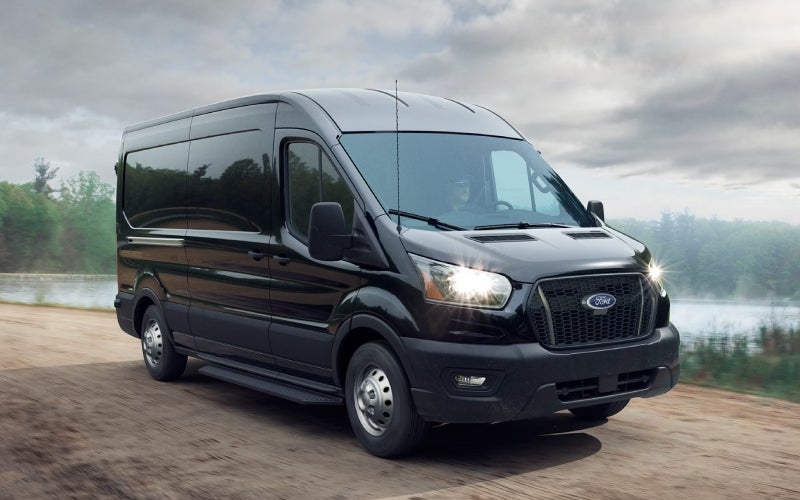
Al Packer Ford West Palm Beach - Why Intelligent AWD and Flexible Seating Make the 2026 Ford Transit a Smart Move around Palm Beach Gardens, FL If your day is a blend of early drop-offs at community centers, lunch-hour runs along PGA Boulevard, and evening pickups near The Gardens Mall, you want a van that thrives on variety. That’s exactly where the 2026 Ford Transit® shines. With available Intelligent AWD for added traction and seating for up to 15, the Transit® takes Palm Beach Gardens life in stride — from youth sports carpools to hospitality shuttles and mobile service crews. The advantage isn’t just size; it’s the way the Transit® pairs confident driving manners with tech that genuinely lightens your workload, including standard SYNC® 4 with a 12" Center Display and Ford Co-Pilot360® driver-assist features. The flexibility starts with three roof heights and two lengths, then keeps going with practical doors, wide openings, and available Close Assist that helps the sliding side door seal without a slam. Add in the choice between a 3.5L PFDi V6 or available 3.5L EcoBoost® V6, plus the option to tow up to 4,500 lbs, and you’ve got a van that adapts readily to your routes and your riders. Whether you’re organizing a private shuttle, supporting a campus program, or building out a mobile workspace, the 2026 Ford Transit® makes it straightforward to do more — with less stress at every stop. Let’s zero in on two standout strengths for Palm Beach Gardens driving: available Intelligent AWD and flexible seating. Roads here can be a busy mix — quick turns into shopping centers, short on-ramps to I-95, and frequent curbside stops. Available Intelligent AWD adds traction and poise, especially when a full cabin, a bit of rain, or an uneven loading area is part of the plan. Seating, meanwhile, is more than capacity; it’s the way entrances, walk-through space, and seat design help passengers settle quickly and comfortably. That smooth in-and-out rhythm adds up over a day of frequent stops. For many local owners and operators, the daily payoff is in the small moments: easier parallel parking with the help of front and rear parking sensors, clear at-a-glance info via the standard 8" Cluster Display and TPMS, and voice-friendly controls through SYNC® 4 with Enhanced Voice Recognition. Those details keep your mind on the road and your schedule on track. Add the available 31-gallon extended range tank, and longer shuttle loops or multi-site service calls become simpler to plan. Available Intelligent AWD: Adds traction for damp mornings, gravel pullouts, or grassy event fields. Flexible Seating: Seats up to 15 with smart access and available 10-way power heated front seats. Two Engine Options: 3.5L PFDi V6 or available 3.5L EcoBoost® V6 for extra passing confidence. Helpful Tech: Standard SYNC® 4 with 12" Center Display and Ford Co-Pilot360® driver-assist features. Made for Loading: 50/50 Hinged Rear Door with available 253-Degree Rear Door Opening and available Close Assist. Range and Capability: Available 31-gallon fuel tank and towing up to 4,500 lbs. Frequently Asked Questions: Is Intelligent AWD worth it for Palm Beach Gardens routes? If your schedule includes frequent stops, quick merges, and occasional unpaved or uneven areas, available Intelligent AWD provides added traction and stability that can reduce wheel slip and boost driver confidence. How many seating configurations are possible? The Transit® offers seating for up to 15, with multiple interior layouts and easy access points. You can add or remove rows as needed, keeping your setup aligned with seasonal or weekly demands. What tech helps with city driving and tight parking? Standard Ford Co-Pilot360® includes front and rear parking sensors to assist with close-quarters moves, while SYNC® 4 with a 12" Center Display centralizes navigation, calls, and audio to streamline daily tasks. Which engine is best for a full passenger load? The 3.5L PFDi V6 is dependable and smooth for everyday duty. If your routes involve frequent highway merges or steeper grades, the available 3.5L EcoBoost® V6 adds turbocharged confidence. Can the Transit® handle towing for gear or equipment? Yes. Properly equipped, the 2026 Ford Transit® can tow up to 4,500 lbs, making it easy to bring additional cargo or small trailers for events, work, or team activities. How does the Transit® support longer loops without frequent stops? The available 31-gallon extended range fuel tank reduces mid-day fill-ups, a big advantage for longer routes, charter assignments, and multi-stop business plans. For shoppers evaluating options across our area, Al Packer Ford West Palm Beach offers dedicated guidance to help match your configuration to your day-to-day realities — seating, roof height, length, engine choice, and available Intelligent AWD. We are committed to making selection and upfitting straightforward and supportive from the first conversation through delivery and beyond. Ready to tailor a Transit® to your plan? Explore powertrains, interior layouts, and tech that fit your exact needs. Our team is here, serving Delray Beach, Boynton Beach, and Palm Beach Gardens, to help you build a van that handles the work — and the moments in between — with calm capability. Request more 2026 Ford Transit information

Contact Us

Fill out this form below and we'll contact you shortly
*Required Fields