

Al Packer Ford West Palm Beach – Which heavy-duty truck offers better trailer camera tech for backing up near Wellington, FL – the Ford Super Duty F-250 or GMC Sierra 2500 HD?
Why this question matters for local towing
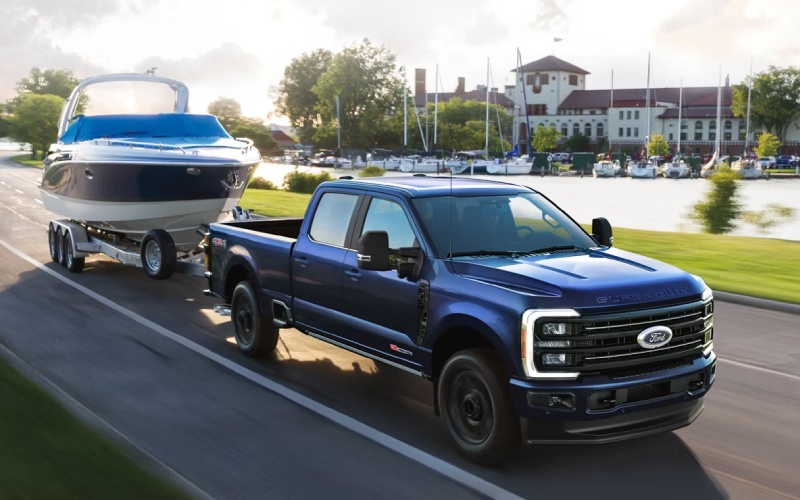
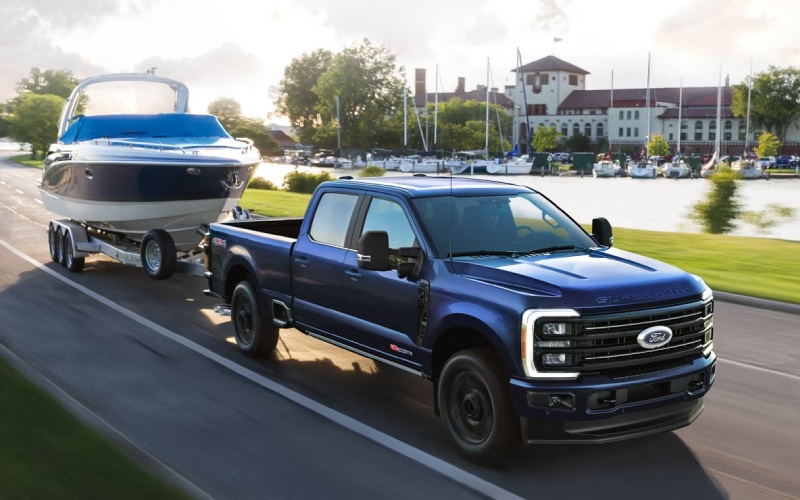
Short ramps, angled driveways, and busy Saturday traffic around Wellington, FL, can turn a simple boat pickup or jobsite hookup into a white-knuckle task. That’s why so many shoppers want to know which heavy-duty truck makes it easier to see more and do more, with less stress, when you’re backing a trailer. In this deep dive, we compare the 2026 Ford Super Duty® F-250® and the 2026 GMC Sierra 2500 HD specifically through the lens of trailer camera technology and hitching tools. The right systems can help you align to the ball, verify weight, and reverse with precision—key steps that translate to fewer repeats and smoother exits on crowded lots.
Both trucks deliver high-resolution displays and extensive camera coverage, but the Ford pairs those views with automated assistance features that actively help you line up and back your trailer. GMC counters with impressive camera counts and useful guidance overlays. The question is not just who shows the most angles, but who helps you turn those views into faster, repeatable results.
Hitching up: camera clarity meets automated alignment
Getting on the ball quickly is where the Ford shines. Available Pro Trailer Hitch Assist™ uses the cameras and steering to help automatically align the hitch to the trailer coupler. With on-screen prompts, it’s a calm, repeatable process that’s ideal for tight quarters or solo hookups. Pair that with the available Onboard Scales with Smart Hitch, and you can verify tongue weight right from the screen, ensuring better control before you even roll.
GMC’s 2500 HD brings a helpful “Hitch Guidance” view with overlays to assist manual alignment, and the camera quality is excellent. It’s a strong tool that adds confidence. What it doesn’t do is automate the alignment motion itself, so you still steer and make micro-corrections on your own. For many drivers, that’s fine; for frequent towing or tight conditions, Ford’s automated assist reduces both time and trial-and-error.
Reversing precision: backing a trailer with less stress
Once hitched, reversing with accuracy is the next big hurdle. Ford’s Pro Trailer Backup Assist™ takes a standout approach: input your trailer profile and use a simple console-mounted knob to tell the truck where you want the trailer to go. The system manages the steering, translating your knob input into precise trailer movement. Combined with multiple camera views and Trailer Reverse Guidance, it’s a system designed to shorten the learning curve—especially on angle-limited residential approaches or the tight backsides of Wellington-area storage lots.
GMC employs a Trailer Angle Indicator and guidance lines that show the predicted path, plus an array of camera views, including available bed view and auxiliary trailer cameras. You still steer conventionally, but the overlays give you the reference points to nudge your way into place. For experienced trailer drivers, that information is powerful. For those who tow intermittently, Ford’s knob-based control can be more intuitive when stress and time pressure are high.
Seeing more: camera coverage and features that matter
More camera views can be helpful, and GMC leans in here with an available 14+ view setup that includes HD Surround Vision. The system’s “Transparent Trailer” functionality can improve situational awareness by effectively showing what’s behind a compatible trailer using combined camera feeds—very helpful on multilane roads or when anticipating lane merges.
Ford counters with a comprehensive 360-Degree Camera, bed camera, hitch view, and Trailer Reverse Guidance, all designed to deliver the right angles for hitching, monitoring cargo, and backing into place. The difference is Ford’s toolset is tightly integrated with the truck’s trailer profile, backup assist, and hitch assist systems—so you’re not just looking; you’re also leveraging the cameras to control and automate key steps.
Weight, balance, and readiness checks
Verifying load and tongue weight is part of smart trailering. Ford’s available Onboard Scales with Smart Hitch give you an at-a-glance way to confirm weight distribution via the center display or an app, reducing guesswork and helping avoid sway or premature wear. GMC’s in-vehicle trailering app centralizes checklists, maintenance reminders, and lighting tests effectively, but it doesn’t offer an equivalent built-in scale feature at this time.
From a workflow perspective, especially if you’re towing different trailers week to week, Ford’s on-screen payload/tongue weight integration is a notable advantage. It speeds up your hitching routine and adds a layer of confidence during pre-departure checks.
Which system is right for your trailering needs?
If you prefer manual control with outstanding visual support, the Sierra 2500 HD delivers excellent coverage and helpful guides. If your priority is reducing the time and stress of hitching and backing—especially when you’re solo—Ford’s automated assists and integrated scales bring rare polish to everyday towing.
And remember, display quality, camera placement, and menu navigation all matter when you’re pressed for time. In our experience, Ford’s SYNC® 4 interface on the available 12-inch screen makes it quick to call up the view or tool you need without deep menu diving, while GMC’s 13.4-inch display lends rich map real estate and crisp camera clarity. Both are top-tier, but the workflow advantage often goes to the system that helps you act on what you see—an area where Ford’s automation leads.
Frequently Asked Questions:
Do I need to set up the system for my specific trailer?
Yes. On Ford, creating a trailer profile unlocks features like Pro Trailer Backup Assist™ and improves guidance accuracy. GMC’s trailering app also benefits from saving your trailer info for checklists and customized prompts.
Can these systems help in tight marina or storage-lot spaces?
Absolutely. Ford’s knob-based backup assist reduces steering complexity, while GMC’s angle indicators and multiple views help you make informed micro-corrections. Both cut stress; Ford’s automation further shortens the learning curve.
What about night visibility when I’m backing up after dark?
Both trucks offer bright bed and perimeter lighting, plus high-resolution camera feeds. Ford’s LED zone lighting and tailored trailer views add confidence in low-light spaces.
Local perspective and next steps
Between narrow approaches and active traffic patterns, backing and hitching near Wellington can be the hardest part of towing. The Ford approach is to automate the riskiest steps and give you weight data up front; GMC’s approach is to show you more clearly. You can’t go wrong with either, but if you value calm, repeatable automation, the Super Duty® solution is tough to beat.
Al Packer Ford West Palm Beach can set up a hands-on demonstration, walk you through trailer profiles, and show you how the cameras, backup assist, and hitch assist work together. We’re proudly serving Palm Beach Gardens, Loxahatchee, and Wellington, and we can tailor a test route that resembles your daily towing reality—boat ramps, angled alleys, or jobsite entries—so you can feel the differences for yourself.
Request more 2026 Ford Super Duty F-250 information
Connect with us


- August 2026
- July 2026
- June 2026
- May 2026
- April 2026
- March 2026
- February 2026
- January 2026
- December 2025
- November 2025
- October 2025
- September 2025
- August 2025
- July 2025
- June 2025
- May 2025
- October 2024
- March 2024
- January 2024
- December 2023
- August 2023
- June 2023
- May 2023
- April 2023
- March 2023
- February 2023
- December 2022
- November 2022