Al Packer Ford West Palm Beach

Blog / Ford Service

Essential Guide to Trailer Suspension and Brake Care in West Palm Beach, FL

Commercial Trailer Maintenance

Author: Al Packer Commercial Fleet Services Team

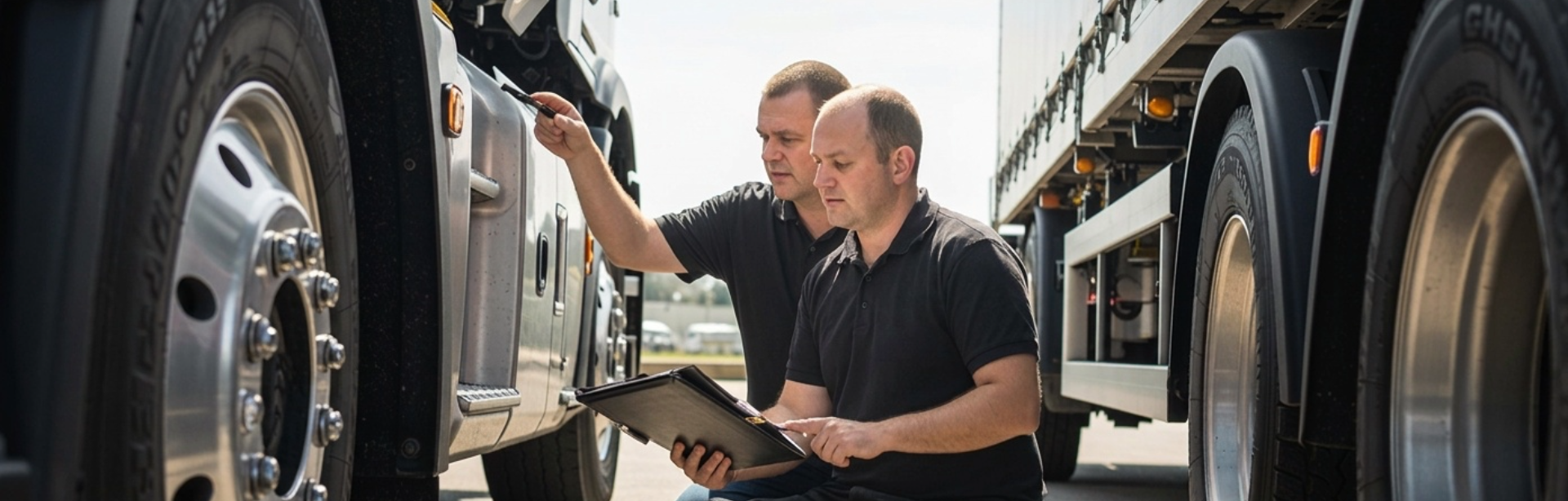
When you manage a commercial fleet, the truck usually gets all the attention. But the trailer does the heavy lifting. Your trailer's suspension and braking systems take a massive beating on every haul. Ignoring them leads to costly breakdowns, delayed shipments, and serious safety hazards.

Regular upkeep keeps your drivers safe, improves overall fleet performance, and protects your bottom line. Let's look at why you need a solid maintenance plan for your trailers.

The Hidden Risks of Neglecting Brakes and Suspension

Failing brakes are a driver’s worst nightmare. When a fully loaded commercial trailer loses braking power, the results are catastrophic. The truck must work twice as hard to stop, which easily leads to overheating and total brake failure.

Suspension issues might seem less urgent, but they cause severe problems. A worn suspension creates a harsh ride. This damages the cargo you carry and makes the trailer difficult to control. Furthermore, failing suspension components cause extreme, uneven tire wear.

Proactive maintenance catches these issues before they turn into roadside disasters. Spending a little time on routine care prevents massive repair bills and keeps your equipment DOT-compliant.

Your Essential Trailer Care Checklist

Keeping your trailers in top shape requires regular, thorough inspections. Drivers and mechanics must work together to spot early warning signs before they escalate.

Focus on these crucial maintenance steps to protect your fleet:

  • Check brake pad thickness: Worn pads increase stopping distance and quickly ruin expensive rotors or drums. Replace them before they grind down to the metal.
  • Inspect air lines and hoses: Carefully look for cracks, leaks, or rubbing. A sudden loss of air pressure will lock up the trailer brakes on the highway.
  • Examine leaf springs and airbags: Check for cracked springs, missing bolts, or leaking airbags. A leaning or sagging trailer clearly indicates a failing suspension system.
  • Grease all moving parts: Proper lubrication prevents friction, reduces heat, and significantly extends the life of your suspension components.
  • Test the ABS system: Ensure your anti-lock braking warning lights function correctly and clear any stored fault codes.
  • Monitor tire wear patterns: Scalloped or uneven tread wear often points directly to a misaligned or damaged suspension.

Maximizing Fleet Performance and Savings

Fleet Performance

A well-maintained trailer pulls smoother and stops faster. This reduces fuel consumption and lowers the mechanical strain on the towing vehicle. When your equipment works correctly, deliveries happen on schedule.

You also save money by avoiding unexpected downtime. A sidelined trailer earns zero revenue while racking up emergency towing and repair costs. Scheduled maintenance puts you in complete control of your budget and your timeline.

Keep Your Trailers Moving Safely

Your trailers carry your profits, and your brakes secure your safety. Don't wait for a costly breakdown to give your trailers the attention they require. Consistent maintenance remains the smartest investment you can make for your commercial fleet.

At Al Packer Commercial Fleet Services, we know exactly how to keep your trailers rolling safely and efficiently. Our expert service center handles everything from routine brake inspections to complete suspension overhauls. Contact Al Packer Commercial Fleet Services today to schedule your trailer maintenance and keep your fleet on the road.

Explore Our Commercial Inventory

Posted in:

Related Posts

1895a41c-7de4-4f88-b291-717196624ab8

In-House Commercial Truck Safety Inspections: Avoiding FMCSA Out-of-Service Violations

The Consequences and Prevention of Roadside Inspection Failures When a commercial motor vehicle fails an official roadside inspection conducted by the Florida Highway Patrol Commercial Vehicle Enforcement unit or federal inspectors, the driver receives an immediate Out-of-Service (OOS) order. The vehicle cannot legally move until every cited defect is repaired on site. The consequences of roadside inspection failures extend far beyond the initial citation: High Roadside Repair Costs: Resolving mechanical defects on a highway shoulder or emergency pull-off zone requires emergency mobile dispatch fees, premium labor rates, and expedited parts pricing. Severe CSA Score Penalties: Violations are recorded in the Federal Motor Carrier Safety Administration (FMCSA) Safety Measurement System (SMS). Accumulating safety points raises your fleet's Behavioral Analysis and Safety Improvement Categories (BASICs) percentile ranking, triggering frequent roadside audits and higher commercial insurance premiums. Driver Towing & Idle Time: Stranded drivers and delayed freight create domino effects across your supply chain, damaging customer relationships and resulting in missed contract delivery windows. Registration & Operating Authority Risks: Repeated safety violations can lead to formal FMCSA warning letters, mandatory carrier safety audits, or temporary suspension of your motor carrier operating authority. Under federal motor carrier safety standards established in FMCSA 49 CFR Part 396.17 regulations, every commercial motor vehicle must pass a comprehensive annual inspection performed by a qualified technician to remain legally certified for highway operation. Top FMCSA Roadside Inspection Failure Points and Prevention Protocols The majority of roadside Out-of-Service orders stem from four core mechanical systems. Identifying wear during routine shop visits prevents unexpected roadside enforcement action. Primary FMCSA Roadside Failure Categories Brake System & Adjustment Faults: Represents over 30% of all out-of-service citations. Failures include automatic slack adjuster pushrod travel exceeding 2 inches, cracked friction linings, oil-contaminated brake shoes, and audible pneumatic leaks. Tire Tread Depth & Sidewall Integrity: Citations issued when steer axle tire tread measures below 4/32 inch, drive or trailer tire tread measures below 2/32 inch, or tires show visible sidewall bulges, fabric cord exposure, or severe underinflation. Lighting & Electrical Signaling Failures: Inoperable stop lamps, turn signals, headlights, or missing clearance and side marker lights, often caused by corroded wiring harnesses or loose sockets. Steering, Frame & Suspension Component Wear: High-risk safety hazards including cracked or missing leaf spring leaves, worn kingpins permitting excess wheel play, loose U-bolts, or steering wheel free play exceeding OEM limits. 1. Brake Systems & Mechanical Adjustment Deficiencies Brake-related defects represent the single largest percentage of vehicle out-of-service violations issued nationwide: Pushrod Stroke Limits: Automatic slack adjusters that fail to maintain proper pushrod stroke allow excess clearance inside brake chambers. Travel exceeding 2 inches on standard Type 30 chambers results in an immediate out-of-service citation. Friction Lining Thickness: Brake pads and drum linings worn below 1/4 inch (or 3/16 inch for disc pads) fail minimum thickness requirements. Technicians also check for oil or grease contamination leaking from inner hub seals onto friction surfaces. Audible Air Leaks: Air brake supply lines, gladhand seals, and brake valves are inspected for audible leaks. Pressure drops exceeding 3 PSI per minute on single vehicles (or 4 PSI on combination units) violate federal pneumatic standards. 2. Tire Tread Depth, Inflation, and Sidewall Condition South Florida heat combined with heavy payload hauling causes rapid tire degradation: Steer Axle Tread Limits: Steer tire tread depth must measure at least 4/32 inch in every major tread groove. Drive and trailer axle tires require at least 2/32 inch. Sidewall Damage & Inflation: Exposed fabric cord, sidewall bulges, or flat tires (pressures under 80% of normal operating spec) trigger instant out-of-service orders. Matching Duals: Mismatched dual tire diameters cause the larger tire to carry an excessive weight load, accelerating tread wear and thermal buildup. 3. Exterior Lighting & Electrical Signaling Lighting violations are among the easiest defects for safety inspectors to spot: Critical Safety Lamps: Inoperable brake lights, turn signals, tail lamps, or headlamps result in immediate citations. Clearance and Marker Lights: Missing or unlit side marker lamps and clearance lights on wide commercial bodies or trailers signal poor maintenance oversight to roadside inspectors. Corroded Socket Connections: High atmospheric humidity and salt air across West Palm Beach cause green copper oxidation inside light sockets and 7-way trailer plugs, leading to intermittent lamp power loss. 4. Steering Components & Suspension Fatigue Steering and suspension failures present extreme highway safety hazards: Steering Play & Kingpin Wear: Steering wheel free play exceeding OEM allowances or worn kingpins that permit excess wheel movement cause severe directional instability. Suspension Leaf Springs: Missing, cracked, or shifted leaves in multi-leaf spring packs, broken center bolts, or loose U-bolts require immediate repair before certification. Air Ride Inflation: Deflated air bags or broken height control valves throw off chassis alignment and deck height. Strategic Value of In-House Certified DOT Inspections Relying solely on roadside checks to discover mechanical faults exposes your business to unnecessary operational risk. Scheduling a structured commercial truck dot inspection in West Palm Beach inside a certified facility provides distinct compliance advantages: Immediate On-Site Defect Remediation: When an in-house certified technician identifies worn brake shoes, a cracked leaf spring, or a leaking air valve during an inspection, the issue is repaired immediately in the shop bay before the vehicle returns to active service. Fully Compliant Official Documentation: Once a vehicle passes inspection, technicians issue official FMCSA-compliant documentation and affix the required annual inspection decal to the vehicle cab or trailer frame, satisfying state and federal recordkeeping rules. Pre-Audit Peace of Mind: Conducting regular commercial truck federal inspections in West Palm Beach ensures your fleet maintains clean inspection records, protecting your business reputation during formal FMCSA safety audits. In-Bay Comprehensive Inspections vs. Mobile Pre-Audit Support Fleets operating across Palm Beach County utilize a combination of facility-based inspections and mobile yard reviews to maintain compliance: Facility In-Bay Inspection Services: Complete annual FMCSA and state DOT safety certifications using heavy vehicle lifts and alignment racks. Major structural, frame, steering gear, and full brake system overhauls needed to pass certification. Comprehensive computer diagnostic scanning for active engine, transmission, and ABS fault codes. Performing a detailed commercial truck safety inspection in West Palm Beach for Class 3 through Class 8 commercial vehicles. Mobile Pre-Audit Yard Support: Pre-inspection fleet sweeps at client staging yards in Lake Park or Palm Beach Gardens to identify visible lamp, tire, or air line defects. On-site replacement of burnt-out bulbs, damaged gladhand seals, wiper blades, and minor air hoses. Rapid roadside dispatch to repair cited defects on stranded vehicles and clear temporary out-of-service orders. Pre-Audit Action Plan for Fleet Managers Incorporate these four practices into your fleet workflow to maintain continuous compliance across South Florida routes: Implement Driver Pre-Trip & Post-Trip Protocols: Enforce thorough daily Driver Vehicle Inspection Reports (DVIRs) to identify and log minor defects—such as low tire pressure or unlit marker lamps—before trucks leave the yard. Stagger Annual Inspection Schedules: Avoid certifying your entire fleet in the same month. Space annual DOT inspections evenly across the calendar year to ensure predictable shop scheduling and consistent compliance coverage. Keep Proof of Documentation in Every Cab: Verify that every commercial vehicle carries a valid copy of its current annual inspection report or displays an undamaged, legible inspection decal on the vehicle chassis. Audit Automatic Slack Adjusters Monthly: Never manually adjust automatic slack adjusters if they are out of spec. Have an ASE technician inspect the internal clutch mechanism, anchor bracket, and S-cam bushings to resolve the underlying mechanical issue. Local Compliance & Fleet Support Across Palm Beach County Maintaining safe, compliant commercial vehicles requires a service partner with deep technical expertise and fast turnaround capabilities. Al Packer Commercial Fleet Services delivers comprehensive safety inspection and repair solutions, supporting commercial fleets throughout West Palm Beach, Lake Park, and Palm Beach Gardens. Our team of ASE-certified technicians provides thorough in-house safety audits, immediate mechanical repairs, official documentation, and complete compliance tracking to keep your delivery vans, work trucks, and heavy haulers operating safely on the road. Frequently Asked Questions What happens if a commercial truck receives an Out-of-Service violation during a roadside inspection? When an inspector issues an Out-of-Service (OOS) order, the vehicle is legally prohibited from moving. The cited defect must be repaired on site by a mobile service technician or towed to an authorized repair facility. Operating an out-of-service vehicle before completing required repairs results in severe civil penalties and driver license suspensions. How long is a federal commercial truck DOT inspection valid? A federal annual DOT safety inspection is valid for 12 months from the date of completion. However, commercial vehicles should undergo routine quarterly preventative maintenance checks to catch wear early and maintain continuous safety compliance. Can an in-house certified technician perform valid DOT inspections for private fleets? Yes, provided the technician meets FMCSA qualification requirements under 49 CFR Part 396.19. Qualified technicians must understand federal inspection criteria, have completed formal training or possess a year of experience, and utilize proper diagnostic tools to issue valid compliance documentation. Need to schedule an annual DOT safety inspection or resolve compliance issues? Contact Al Packer Commercial Fleet Services for expert service across West Palm Beach, Lake Park, and Palm Beach Gardens.

fd60faf0-b6b3-46f5-8fdc-6d240c107c03

Optimizing Commercial Fleet Maintenance: Oil, Brake, and Fluid Service Protocols for Local Routes

Operating commercial vehicles in Palm Beach County's climate introduces distinct mechanical challenges. High ambient temperatures exceeding 90°F, paired with high atmospheric humidity, cause engine bay temperatures to frequently surpass 140°F during extended idling or heavy traffic delays. Under these environmental conditions, standard highway maintenance schedules fail to protect key powertrain assemblies: Thermal Oil Oxidation & Viscosity Breakdown: High engine bay temperatures accelerate the oxidation of heavy-duty diesel engine oil. Heat breaks down the oil's shear stability, causing viscosity loss that thins protective lubrication films. This results in metal-to-metal contact across crankshaft bearings, camshaft lobes, and turbocharger shafts. Depletion of Additive Packages: Continuous thermal stress depletes the Total Base Number (TBN) in engine oil, neutralizing corrosive acids created during combustion. Once TBN drops below critical thresholds, sludge accumulates inside crankcase galleys and oil pickup screens. Transmission & Differential Shear Stress: Torque demands from constant stop-and-go driving overheat automatic transmission fluid and gear oils. Overheated hydraulic fluid loses friction performance, leading to slipping clutch packs, erratic shift timing, and premature differential gear wear. Coolant System Acidification: Prolonged high-temperature operation breaks down corrosion inhibitors inside extended-life coolants. Acidic coolant causes internal radiator scaling, water pump cavitation, and liner pitting in wet-sleeve diesel engines. Under federal safety regulations mandated by FMCSA 49 CFR Part 396.3 standards, commercial motor carriers must maintain systematic inspection and maintenance records for every active vehicle to ensure safe highway operation and prevent roadside compliance violations. Severe-Duty Service Intervals for Stop-and-Go Regional Routes Commercial vehicles operating on short-haul delivery loops or urban routes in West Palm Beach and Lake Park encounter far more severe duty cycles than long-haul highway trucks. Frequent idling, low-speed driving, and constant brake applications require adjusted service schedules. 1. Engine Oil & Filter Change Schedules Urban delivery vans, box trucks, and vocational chassis require shortened oil drain intervals to prevent premature component wear: Severe-Duty Interval: Replace engine oil and spin-on filters every 5,000 to 7,500 miles (or 150 to 200 engine hours), compared to the 15,000-mile intervals typical for long-haul highway trucks. High-Viscosity Synthetic Lubricants: Utilize API CK-4 heavy-duty synthetic engine oils engineered to resist thermal breakdown and maintain shear stability under high heat. Fuel-Water Separator Maintenance: Drain fuel-water separators weekly and replace primary/secondary fuel filters every 10,000 miles to protect high-pressure common rail (HPCR) fuel injectors from water-induced corrosion. 2. Brake System Monitoring & Friction Management Heavy urban traffic forces drivers to apply brakes repeatedly under heavy loads, driving up friction temperatures: Brake Lining Glazing & Thermal Fading: High friction heat crystallizes the surface of drum brake shoes and air disc pads, causing severe thermal glazing. Glazed linings lose stopping power and increase required pedal effort. Slack Adjuster & Pushrod Stroke Adjustments: Technicians inspect automatic slack adjusters to verify pushrod travel remains within OEM specifications (typically under 2 inches for standard Type 30 brake chambers). Excessive stroke reduces stopping force and leads to out-of-service citations. Pneumatic System Moisture Drain: High atmospheric humidity causes air compressor intake air to deposit water inside air brake storage tanks. Draining reservoirs daily and replacing desiccant air dryer cartridges annually prevents internal valve corrosion and air line freezing. Targeted Regional Care: Fleet operators relying on commercial truck brake service in Palm Beach Gardens ensure air disc rotors, S-cam bushings, and caliper slide pins receive regular cleaning and greasing to prevent brake drag. 3. Drivetrain Fluid & Filter Replacement Schedules Protecting transmissions and drive axles requires strict adherence to fluid maintenance milestones: Transmission Fluid Exchanges: Perform complete fluid and filter changes on automatic torque-converter transmissions every 30,000 to 50,000 miles under severe stop-and-go service conditions. Differential Gear Lube Replacements: Replace synthetic rear axle lubricant every 50,000 miles to flush out microscopic metallic wear particles generated during heavy acceleration and cornering. Tracking Cost-Per-Mile (CPM) via Fleet Reporting Software Modern commercial fleet maintenance relies on data-driven management tools to eliminate unbudgeted repair expenses and improve fleet uptime. Integrating digital maintenance software into routine shop workflows provides clear operational insights: Calculating True Cost-Per-Mile: Tracking fuel consumption, routine PM costs, wear-and-tear repairs, and tire replacements against odometer mileage reveals the exact operating cost per mile for every vehicle in your fleet. Predictive Component Replacement: Historical service data highlights early failure trends across engine families, transmission models, or brake shoe compounds, allowing fleet managers to replace degrading components during scheduled shop visits. Automated Preventive Maintenance Alerts: Setting automated triggers based on mileage, engine hours, or calendar days ensures vehicles never miss critical oil changes or brake inspections due to human oversight. Audit-Ready Electronic Records: Storing digital inspection logs, work orders, and fluid analysis reports guarantees instant access to complete compliance files during state safety audits or federal DOT reviews. Daily PM Driver Checklist for Local Fleet Vehicles To complement scheduled shop service, enforce this daily pre-trip checklist for drivers operating local routes across Palm Beach County: Check Fluid Levels Cold: Verify engine oil, coolant reservoir, power steering fluid, and windshield washer levels before starting the vehicle every morning. Inspect Air System Pressure Build: Monitor air gauge build-up time from 85 to 100 PSI (must occur within 45 seconds at governed engine RPM) and listen for air dryer purge cycles. Examine Tire Tread Depth & Pressure: Check dual tire matching and ensure steer tires maintain at least 4/32-inch tread depth and drive tires maintain at least 2/32-inch tread depth. Drain Air Tank Reservoirs: Pull manual drain lanyards on air tanks at the end of each shift to blow out accumulated moisture and oil residue. Comprehensive Fleet Maintenance Support in Palm Beach County Maintaining high fleet availability requires an experienced service partner capable of executing thorough preventative protocols and fast turnaround repairs. Al Packer Commercial Fleet Services delivers comprehensive maintenance solutions, supporting commercial fleets throughout West Palm Beach, Lake Park, and Palm Beach Gardens. Our ASE-certified technicians perform detailed fluid analysis, severe-duty oil changes, full brake system overhauls, and complete digital compliance logging to keep your delivery vans, work trucks, and heavy haulers operating safely and efficiently. Frequently Asked Questions Why do local delivery trucks require more frequent oil changes than long-haul trucks? Local delivery trucks experience frequent stop-and-go driving, extended engine idling, and frequent cold starts. This operating profile increases soot accumulation, fuel dilution, and thermal oil breakdown per mile compared to continuous high-speed highway driving, requiring shortened oil drain intervals to protect internal engine parts. How does oil analysis help lower commercial fleet maintenance costs? Laboratory oil analysis measures microscopic metal wear particles (iron, copper, lead), soot concentrations, fuel dilution, and coolant contamination in used engine oil. Detecting abnormal wear early allows technicians to fix minor mechanical issues—such as leaking fuel injectors or worn bearings—before catastrophic engine failure occurs. What are the main causes of premature commercial brake wear in South Florida? Severe stop-and-go traffic along major corridors like I-95 and US-1 causes heavy brake usage. High ambient heat prevents friction components from cooling between stops, leading to thermal pad glazing, accelerated lining wear, and rotor warping. Regular cleaning, lubrication, and stroke adjustments help prevent premature wear. Ready to reduce fleet downtime and optimize your cost-per-mile? Contact Al Packer Commercial Fleet Services to establish a customized maintenance program across West Palm Beach, Lake Park, and Palm Beach Gardens.

a0988a4d-5265-405c-bfd8-eff058891a44

Commercial Trailer Brake & Suspension Maintenance: Navigating Heavy Hauling Risks in Palm Beach County

Hauling heavy freight across Palm Beach County requires constant vigilance. Transporting aggregate, equipment, or palletized goods along I-95, US-1, and SR 80 (Southern Blvd) creates extreme mechanical strain that rapidly wears down trailer running gear. Operating commercial trailers in this regional environment creates four primary structural and mechanical stress points: Corrosive Coastal Atmosphere: Marine air carrying high salt concentrations accelerates oxidation on exposed copper wiring, 7-way blade connectors, lighting junction boxes, and ABS wheel speed sensors, leading to intermittent signal losses or complete lighting failures. Extreme Thermal Cycling on Friction Components: Continuous braking in heavy traffic generates intense heat within brake drums and disc rotors. This thermal stress causes brake lining glazing, reduces friction coefficient performance, and hardens rubber brake chamber diaphragms. Severe Mechanical Strain on Suspension Systems: Frequent heavy loading causes leaf spring packs to sag, center pins to shear, and air springs to chafe. Over time, uneven load distribution creates tracking misalignment, resulting in rapid, uneven tire wear. Corrosion-Induced Hardware Binding: High atmospheric humidity combined with road dirt accumulation causes roll-up door tracks, rollers, side-hinge pins, and locking mechanisms to rust and bind, creating physical safety hazards for drivers during cargo loading and unloading. Critical Technical Focus Areas for Commercial & Utility Trailers Protecting highway safety and preserving fleet uptime requires structured inspection protocols across four core trailer assemblies. Under federal safety standards established in FMCSA 49 CFR Part 393 Subpart C, all commercial trailing units operated on public roadways must maintain precise braking force, mechanical stroke alignment, and structural integrity. 1. Air Brake Pressure Drops & Pushrod Travel Limits Air brake systems rely on airtight pneumatic delivery and accurate mechanical adjustments to stop heavy loads safely: Pushrod Stroke Calibration: Automatic slack adjusters must keep pushrod travel strictly within OEM limits (typically under 2 inches for standard Type 30 brake chambers). Excessive stroke drastically reduces applied braking force and triggers immediate out-of-service citations during roadside safety audits. Pneumatic Leakage Rate Testing: Technicians execute static and applied pressure drop tests. With service brakes fully applied and the engine turned off, air pressure leakage must not exceed 3 PSI per minute for single trailers or 4 PSI per minute for combination vehicles. S-Cam & Bushing Tolerance Verification: Radial play in worn S-cam shaft bushings causes unequal shoe-to-drum contact, resulting in brake chatter, uneven lining wear, and compromised stopping distances. 2. Leaf Spring Fatigue, Air Ride Springs & Axle Alignment Trailer suspension systems absorb violent road impacts, support heavy payloads, and maintain proper axle tracking: Leaf Spring Stack Inspections: Technicians inspect multi-leaf assemblies for cracked or shifted leaves, missing center alignment pins, and worn shackle eye bushings caused by heavy weight distribution. Air Ride System & Height Control Valve Calibration: Rubber air springs on air-ride suspension systems are checked for dry rot, ozone cracking, and physical frame rubs. Height control valves are calibrated to ensure correct deck height and preserve proper driveline angles. Torque Rod & Equalizer Bushing Replacement: Worn rubber or polyurethane equalizer bushings allow axles to shift out of parallel, causing severe dog-tracking that damages tires and destabilizes the vehicle at highway speeds. 3. Roll-Up & Swing Door Alignment Cargo doors suffer heavy mechanical degradation over thousands of delivery cycles: Track Cleaning & Roller Replacement: Debris buildup inside vertical tracks binds steel and nylon door rollers. Technicians align bent tracks, replace flat-spotted rollers, and apply specialized non-tacky lubricants that repel dirt. Weather Seal & Hinge Restoration: Worn door hinges allow water penetration during heavy rainstorms, threatening cargo integrity. Replacing damaged perimeter seals prevents moisture intrusion during transit. 4. Sealed Harness Inspections & Salt-Air Corrosion Prevention Coastal moisture acts as a conductor, triggering rapid electrical degradation: 7-Way Plug Connector Maintenance: Salt air causes green copper-carbonate oxidation inside 7-way pin receptacles, cutting off power to tail lights, turn signals, and electric brake controllers. Moisture-Intrusion Wire Tracing: Technicians trace main wire looms using circuit analyzers to locate pinhole cuts or improper wire splices where moisture penetrates, causing internal wire rot (black wire corrosion) that drops system voltage. Dielectric Compound Application: Packing 7-way connectors, ABS sensor plugs, and rear junction boxes with high-grade dielectric compound seals out coastal moisture and stops salt-air corrosion. Field Mobile Service vs. Dedicated Facility Shop Capabilities When trailer faults occur, determining whether to request on-site repair or route the unit into a shop bay keeps service schedules moving smoothly: On-Site Mobile Trailer Capabilities Emergency Pneumatic Repairs: Replacing ruptured air hoses, gladhands, quick-release valves, and damaged brake chambers directly at job sites or roadside locations. On-Site Lighting & Electrical Fixes: Troubleshooting 7-way junction boxes, replacing damaged tail light assemblies, and repairing ABS wheel speed sensor wiring. Wheel End & Hub Adjustments: Mobile tire replacement, wheel bearing adjustments, and outer hub seal installations. Utility Trailer Repairs: Servicing electric brake assemblies, shoe replacements, and safety chain repairs for operators requiring utility trailer maintenance in Lake Park FL. Dedicated Facility Shop Bay Capabilities Major Axle & Subframe Realignment: Precision laser alignment, subframe rust remediation, and major structural welding. Full Suspension Rebuilds: Complete replacement of leaf spring packs, equalizer beams, torque arms, and air-ride hanger brackets. Structural Panel & Frame Restoration: Re-squaring rear door frames, replacing damaged top or bottom rails, and completing full roll-up door assembly installations. Actionable Preventative Maintenance Checklist for Fleet Operators Executing a disciplined maintenance routine prevents minor mechanical wear from developing into major structural failures: Perform Daily Pre-Trip Air Leak Checks: Require drivers to execute a 1-minute applied air brake test before leaving staging yards in West Palm Beach to catch pneumatic leaks before vehicles hit public roads. Grease S-Cam Bushings and Slack Adjusters Monthly: Apply high-temperature chassis grease to all S-cam bushings and automatic slack adjuster fittings to prevent mechanical seizing. Verify Suspension Fastener Torque Quarterly: Check U-bolt torque settings on leaf spring assemblies to ensure axles remain locked in factory alignment. Treat Electrical Receptacles Bi-Annually: Clean and pack all 7-way plugs, trailer sockets, and rear lighting junction boxes with dielectric grease before the summer rainy season begins. Local Emergency Fleet Support Across Palm Beach County When trailer breakdowns threaten critical delivery windows, access to fast, reliable service protects your business reputation. Al Packer Commercial Fleet Services delivers comprehensive maintenance and repair support, servicing commercial fleets throughout West Palm Beach, Lake Park, and Palm Beach Gardens. Whether your fleet requires immediate mobile trailer repair in West Palm Beach along a major highway corridor or scheduled maintenance at your facility, ASE-certified technicians arrive equipped with specialized air line components, brake shoes, lighting harnesses, and suspension hardware to restore full operational capability. Dispatch Checklist for Emergency Trailer Service Have the following operational details ready when searching for trailer repair near me and contacting mobile service dispatch: Trailer Configuration: Dry van, flatbed, refrigerated trailer (reefer), lowboy, or utility equipment trailer. Exact Service Location: Mile marker, cross streets, staging yard, or job-site address. Observed Failure Symptoms: Air leak preventing parking brake release, broken leaf spring, non-functioning tail lights, or jammed roll-up door. Payload Status: State whether the trailer is fully loaded or empty so technicians arrive with appropriately rated jack stands and support equipment. Frequently Asked Questions What causes commercial trailer air brakes to lock up unexpectedly on the highway? Commercial trailer air brakes lock up primarily due to a sudden drop in emergency air line pressure, which causes the spring brake control valve to automatically apply heavy parking brake springs. Common causes include ruptured rubber air hoses, worn gladhand seals, or severely misadjusted automatic slack adjusters. How often should utility trailer wheel bearings be inspected and repacked? Utility trailer wheel bearings should be inspected, cleaned, and repacked with fresh high-temperature grease every 12,000 miles or 12 months, whichever comes first. Fleets operating near coastal routes or marine staging yards in Lake Park and West Palm Beach should inspect wheel ends every 6 months to catch moisture contamination early. Why do trailer lights flicker or drop power while driving? Flickering trailer lights are typically caused by salt-air corrosion or loose spade terminals inside the main 7-way plug receptacle, or an improper frame ground connection. High ambient humidity in South Florida accelerates copper oxidation, requiring pin terminal cleaning and dielectric compound application to maintain consistent electrical continuity. Need expert trailer maintenance or immediate roadside assistance? Contact Al Packer Commercial Fleet Services for rapid mobile repair support across West Palm Beach, Lake Park, and Palm Beach Gardens.