Al Packer Ford West Palm Beach

Blog / Ford Transit

Which 2027 Ford Transit roof height fits Wellington, FL work routes?

2027fordtransit-exterior-03
Which 2027 Ford Transit roof height fits Wellington, FL work routes?

Al Packer Ford West Palm Beach - Which 2027 Ford Transit roof height fits Wellington, FL work routes?

The right 2027 Ford Transit® roof height can make daily work around Wellington, FL easier, especially when your van needs to balance cargo space, driver comfort, parking access, and upfit flexibility.

For many local shoppers, the roof-height decision is not just a spec-sheet detail. It affects how comfortably your team can load equipment, whether you can stand inside the cargo area, how simple it is to park near customer locations, and how well the van fits into your normal routine between Wellington, Royal Palm Beach, Loxahatchee, and West Palm Beach. At Al Packer Ford West Palm Beach, we help business owners, contractors, delivery operators, shuttle providers, and mobile service professionals think through those real-world details before choosing a 2027 Ford Transit® Cargo Van or Passenger Van configuration.

Why roof height matters around Wellington, FL

Wellington has a unique mix of driving environments. A van might spend the morning carrying tools to a property off Forest Hill Boulevard, the afternoon navigating shopping areas near State Road 7, and the evening supporting an event, stable, or service call near the equestrian corridor. A taller van can make loading and interior work easier, while a lower roof can feel more manageable in tighter parking areas and residential driveways. That is why the best answer depends on how you use the van most often.

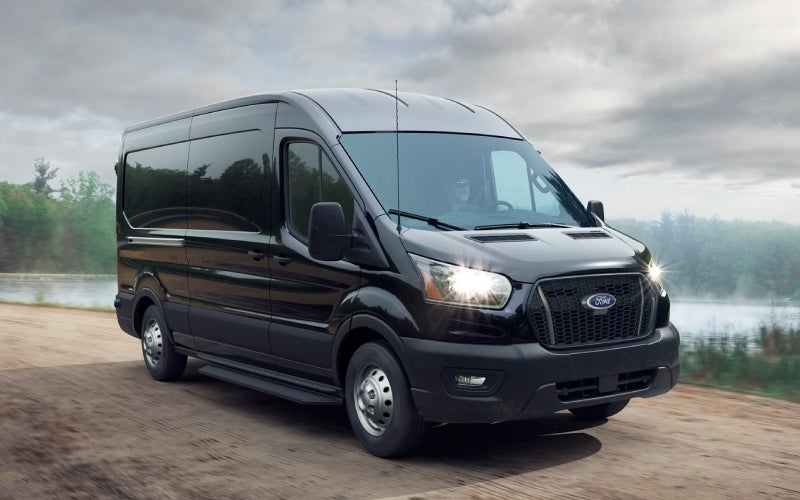
The 2027 Ford Transit® Cargo Van is offered in three roof heights: Low at 82.7 inches, Medium at 99.8 inches, and High at 110 inches. It is also offered in three body lengths: Regular at 217.8 inches, Long at 235.5 inches, and Extended at 263.9 inches. Those combinations give shoppers a practical way to build around the job instead of forcing the job to fit the van. If your van is a rolling workshop, the High Roof may be the smart move. If your van handles quick deliveries, light service calls, or daily travel through busy commercial areas, the Low Roof or Medium Roof may be more convenient.

Low Roof: best for easier parking and lighter-duty cargo routines

The Low Roof Transit® is often a strong fit for drivers who prioritize maneuverability and predictable access over maximum standing room. Around Wellington, that may include businesses making frequent stops at residential communities, storefronts, medical offices, and smaller commercial lots where quick entry and exit matter. The lower overall height can also feel less imposing for drivers moving up from a pickup, SUV, or smaller work vehicle.

A Low Roof 2027 Ford Transit® can still serve serious business needs. It works well for boxed goods, cleaning supplies, packaged materials, smaller tools, floral delivery, catering support, parts delivery, and mobile repair operations that do not require standing upright inside the van. If your team mainly loads from the side or rear doors, drives to several stops a day, and uses bins or shelving instead of a walk-in workspace, this roof height can be a practical match.

Before choosing the Low Roof, think carefully about how often someone will need to move around inside the cargo area. If the van will be loaded once in the morning and unloaded throughout the day, the lower height may be perfectly suitable. If your crew needs to step inside repeatedly to access shelves, sort equipment, or work from the cargo area, the Medium Roof or High Roof may improve comfort and efficiency.

Medium Roof: the balanced choice for many Wellington businesses

The Medium Roof Transit® is a popular middle ground because it adds useful vertical space without going all the way to the tallest configuration. For many Wellington-area trades, delivery services, and mobile operations, this balance is the key. It can make the interior easier to organize with shelving, drawers, racks, and labeled storage while still keeping the van manageable for everyday driving.

This roof height is especially appealing if your business carries a mix of tools, materials, and inventory. Electricians, plumbers, HVAC technicians, property maintenance teams, and event support crews often benefit from the extra headroom and storage flexibility. You may not need full walk-around height in every situation, but the added vertical space can reduce bending, help protect equipment from stacking damage, and allow a more professional upfit layout.

The Medium Roof also pairs well with the Transit® Cargo Van’s broader configuration choices. With available 3.5L PFDi V6 or 3.5L EcoBoost® V6 engines, available Intelligent All-Wheel Drive, and the choice of 25-gallon or available 31-gallon extended range fuel tank on gas models, shoppers can think beyond size alone. The right Transit® should support your route length, payload needs, road conditions, and driver confidence, not just cargo dimensions.

High Roof: ideal when interior workspace is the priority

The High Roof 2027 Ford Transit® is the configuration to consider when the inside of the van functions as more than cargo space. If your van serves as a mobile workshop, equipment hub, service command center, or specialized upfit platform, the ability to stand, move, sort, and access storage can make a major difference over a long workday.

In Wellington, this can be especially useful for businesses supporting equestrian properties, estate management, mobile grooming, specialty delivery, construction support, and event operations. A taller interior can help keep high-value equipment organized and easier to reach. It can also reduce fatigue when workers spend time inside the vehicle preparing tools, checking inventory, or setting up before a service call.

The tradeoff is that a High Roof van requires more awareness in height-restricted areas. Drivers should think about where the van will be parked, whether any routes involve low clearances, and whether jobsite access includes covered areas or tight entry points. For owners who need the workspace, that planning is often well worth it. The 2027 Ford Transit® is designed to be adaptable, and the High Roof is a strong example of that flexibility.

How to choose based on your real route

A practical way to choose is to map the van’s normal week. Consider where it starts, where it stops, what it carries, who drives it, and how often the cargo area becomes a workspace. A Wellington delivery business serving neighborhoods off Lake Worth Road may value quick parking and efficient loading. A contractor moving between Wellington and West Palm Beach may value shelving access and payload capability. A shuttle or group-transport buyer may be focused on seating, passenger comfort, and driver-assistance technology.

Use these questions as a starting point when comparing 2027 Ford Transit® roof heights:

  • Daily parking: Will the van regularly enter garages, covered service bays, tight commercial lots, or residential driveways?
  • Interior movement: Does your team need to stand or walk inside the van during the workday?
  • Cargo shape: Are you carrying tall items, stacked bins, racks, tools, equipment, or fragile inventory?
  • Upfit plans: Will shelving, partitions, drawers, ladder racks, refrigeration, or specialty equipment be installed?
  • Route length: Will the van stay mainly in Wellington, or travel often between Palm Beach County communities?
  • Driver comfort: Will one person drive the van daily, or will multiple employees need a setup that is easy to learn?

Those answers can quickly narrow the decision. Low Roof works best when access and simplicity are top priorities. Medium Roof fits many mixed-use work routes. High Roof makes sense when interior productivity matters every day.

Technology and capability that support the roof-height decision

Roof height is important, but it is only one part of building the right van. The 2027 Ford Transit® offers standard Ford Co-Pilot360® technology on gas Cargo Van models, including helpful systems such as front and rear parking sensors, Pre-Collision Assist® with Automatic Emergency Braking, and Lane-Keeping System. These features are valuable in real-world commercial use, especially when drivers are moving through crowded lots, backing near loading zones, or covering several stops in a day.

Inside, the available 12-inch center display with SYNC® 4 helps keep important information clear and easy to access. For businesses comparing Cargo Van and Passenger Van options, seating flexibility is another major advantage. The Transit® lineup can be configured for cargo-focused work or passenger transportation, with seating options for up to 15 people depending on model and configuration. That makes it relevant for shuttle services, schools, community organizations, hospitality teams, and group travel needs near Wellington.

For businesses exploring electrification, the E-Transit™ Cargo Van brings a fully electric powertrain, a maximum payload of 3,322 lbs, and available Pro Power Onboard™ with 2.4 kW. For the right route and charging setup, it can support tools, equipment, and deliveries with a quieter, electric-driving experience. For gas Transit® shoppers, maximum payload is rated up to 5,047 lbs when properly configured, and maximum towing capacity is rated up to 6,900 lbs when properly equipped.

Why work with Al Packer Ford West Palm Beach

Al Packer Ford West Palm Beach is conveniently located at 1530 North Military Trail in West Palm Beach, making our dealership a practical resource for shoppers near Wellington who want hands-on help comparing Transit® configurations. We can walk through roof height, length, engine choice, available Intelligent All-Wheel Drive, passenger needs, cargo priorities, and upfit planning so the final choice fits your actual workday.

Our support continues after the sale through our Ford Service Center, Parts Center, and commercial-focused resources. From routine maintenance to genuine OEM Ford parts and accessories, we are here to help keep your Transit® working the way your business needs it to work. If you are comparing roof heights, the best next step is to bring your cargo list, route details, and upfit ideas to our team so we can help match the van to the job.

Frequently Asked Questions:

Which 2027 Ford Transit® roof height is best for a Wellington, FL service business?

For many Wellington service businesses, the Medium Roof is the best balance because it adds usable interior height for shelving and equipment access while still feeling manageable for everyday driving. The High Roof is better if your team needs to stand and work inside the van often, while the Low Roof is better for lighter cargo needs and frequent parking in tighter areas.

Can the 2027 Ford Transit® High Roof work for local delivery routes?

Yes, the High Roof can work well for delivery routes when cargo volume, tall items, or interior organization are top priorities. Drivers should simply plan for height awareness in covered areas, loading zones, and restricted-clearance locations.

Should I choose roof height before choosing body length?

It is best to consider both together. Roof height affects vertical workspace, while body length affects floor space and overall maneuverability. A Medium Roof Long van may fit one business better than a High Roof Regular van, depending on cargo shape, parking needs, and upfit plans.

Where can I compare 2027 Ford Transit® configurations near Wellington, FL?

You can compare 2027 Ford Transit® roof heights, body lengths, powertrains, and business-friendly configurations with Al Packer Ford West Palm Beach. We are located in West Palm Beach and assist shoppers from Wellington and across Palm Beach County.
Request more 2027 Ford Transit information

Posted in:

Related Posts

2027fordtransit-exterior-03

What to Know About the 2027 Ford Transit

Al Packer Ford West Palm Beach - What to Know About the 2027 Ford Transit The 2027 Ford Transit continues to stand out as one of the most adaptable commercial vans on the road, offering a wide range of configurations for business owners, shuttle operators, contractors, delivery services, mobile trades, and growing organizations. Built with flexibility at its core, the Transit can be tailored for cargo hauling, passenger transport, electric driving, vocational upfits, or daily fleet use. At Al Packer Ford West Palm Beach, we help business owners, fleet managers, contractors, and families compare Transit configurations while serving Jupiter, Delray Beach, and Boynton Beach. What makes the 2027 Transit especially compelling is how well it balances capability with everyday usability. This is not a one-size-fits-all van. It is a purpose-built platform with multiple body lengths, roof heights, seating options, powertrain choices, and driver-assist technologies. Whether your priority is payload, passenger capacity, all-electric operation, or a comfortable mobile workspace, the Transit lineup gives you practical ways to build around your daily demands. A Van Lineup Built Around Real Business Needs The 2027 Ford Transit lineup includes several core models, each designed for a different type of customer. The Transit Cargo Van is the workhorse of the family, focused on storage, upfit potential, and jobsite productivity. The Transit Passenger Van XL and XLT are strong choices for transportation services, hospitality businesses, church groups, schools, and large families needing organized seating for up to 15 people. The E-Transit Cargo Van adds an all-electric option for operations looking to reduce fuel use and simplify urban or route-based driving. Across the lineup, Ford focuses on choice. The Transit Cargo Van can be configured with low, medium, or high roof options, along with regular, long, and extended body lengths. That range matters because every business moves cargo differently. A plumber may need vertical space for shelving and tools, while a delivery company may prioritize floor length and walk-in access. A shuttle service may care most about passenger comfort, easy entry, and visibility. The Transit gives each customer room to choose with confidence. Key 2027 Ford Transit Highlights Model variety: Choose from Cargo Van, Passenger Van XL, Passenger Van XLT, and E-Transit Cargo Van configurations. Flexible sizing: Select from multiple roof heights and body lengths to match cargo, passengers, or upfit needs. Strong capability: Gas Transit Cargo Van models offer serious payload potential, with maximum payload ratings reaching over 5,000 pounds when properly configured. Passenger capacity: Transit Passenger Van models can be configured to seat up to 15 occupants. Powertrain choices: Gas models offer a 3.5L PFDi V6 or 3.5L EcoBoost V6 engine. Electric option: E-Transit delivers a fully electric cargo van solution for route-based work and commercial applications. Drive confidence: Rear-wheel drive is standard on many configurations, with optional Intelligent All-Wheel Drive on select gas models. Technology support: SYNC 4 with a 12-inch center display helps keep important controls clear and accessible. Driver assistance: Ford Co-Pilot360 features support awareness, parking, lane guidance, and emergency braking functions. Performance and Capability for Demanding Workdays For businesses that depend on dependable performance, the 2027 Transit offers two gas engine choices. The 3.5L PFDi V6 is designed for confident everyday power, while the 3.5L EcoBoost V6 adds stronger response for drivers who need extra muscle for hauling, towing, or frequent heavy-duty use. Depending on configuration, gas models can also be equipped with a standard fuel tank or an extended-range fuel tank, which helps support longer workdays with fewer interruptions. Capability is one of the Transit model's biggest strengths. Properly configured Cargo Van models can offer maximum payload ratings above 5,000 pounds and towing capacity up to 6,900 pounds. Those numbers matter for trades that carry tools, equipment, parts, materials, or small trailers. Just as important, the Transit platform is well suited for upfits. Shelving, racks, partitions, bins, ladder storage, refrigeration solutions, mobile service layouts, and delivery systems can be integrated to support specialized work. Interior Space Designed for Productivity Inside, the 2027 Ford Transit feels practical without feeling bare. The cabin is designed around visibility, comfort, and ease of use, which matters when a driver spends many hours behind the wheel. The 12-inch center display with SYNC 4 gives the dashboard a modern, easy-to-read interface for connectivity, navigation support, audio, and vehicle settings. The layout is straightforward, with controls positioned for quick access during busy routes or jobsite travel. In Cargo Van form, the rear compartment is the real star. Depending on roof height and length, drivers can stand, load tall items, organize equipment, or create a workflow-friendly mobile workspace. For passenger-focused models, seating flexibility is a major advantage. With configurations that support up to 15 seats, the Transit Passenger Van can serve hotels, tour companies, community groups, sports programs, assisted living transportation, or organizations that need comfortable group mobility. Technology That Supports Confidence The 2027 Transit brings important driver-assistance features into the daily routine. Ford Co-Pilot360 technology includes helpful systems such as Pre-Collision Assist with Automatic Emergency Braking, Lane-Keeping System, and front and rear parking sensors. These features are especially useful in a commercial van, where vehicle size, traffic, loading zones, and tight parking areas can create extra pressure for the driver. For customers considering the Transit Passenger Van XLT, additional support can include Ford Co-Pilot360 Assist 2.0, Adaptive Cruise Control, and a 360-Degree Camera. Features like these can make a meaningful difference during long drives, group transport, or frequent maneuvering in crowded areas. The goal is simple: help drivers stay more aware, reduce stress, and operate with greater confidence. Why Consider the E-Transit Cargo Van? The 2027 E-Transit Cargo Van is a smart option for businesses with predictable routes, depot-based charging, urban delivery demands, or sustainability goals. Its fully electric powertrain can reduce tailpipe emissions and simplify certain maintenance needs compared with traditional gas powertrains. For delivery companies, service fleets, local contractors, and organizations with set daily routes, the E-Transit can be a practical step toward electrification without giving up the familiar Transit layout. The E-Transit also offers useful work-focused features. With a maximum payload rating above 3,300 pounds when properly configured, it has meaningful cargo capability for tools, packages, equipment, and supplies. Optional Pro Power Onboard provides mobile electrical power, allowing crews to operate certain tools or equipment from the van. Optional Vehicle Integration System 2.0 can also help commercial customers connect body equipment and upfit systems to the vehicle in a more streamlined way. How to Choose the Right 2027 Ford Transit Choosing the right Transit starts with understanding how the van will be used every day. A contractor may need a high roof, long body, all-wheel drive, and a shelving upfit. A courier service may need easy cargo access, strong payload capacity, and efficient route performance. A passenger transport company may focus on seating, rear climate comfort, driver-assist features, and entry convenience. A fleet manager may compare gas and electric options based on route length, charging access, maintenance plans, and long-term operating goals. Start with the job: Decide whether the van will primarily carry cargo, passengers, tools, equipment, or a mix of uses. Choose the body size: Match roof height and body length to interior access, cargo volume, and parking needs. Compare powertrains: Review gas V6 options, EcoBoost performance, and E-Transit electric capability. Consider traction needs: Select rear-wheel drive or optional Intelligent All-Wheel Drive based on routes and job conditions. Plan the upfit: Think through shelving, partitions, racks, power needs, storage, and specialized equipment. Review technology: Look at driver-assist features, camera systems, connectivity, and fleet-friendly tools. Frequently Asked Questions: What body styles are offered for the 2027 Ford Transit? The 2027 Transit lineup includes Cargo Van, Passenger Van XL, Passenger Van XLT, and E-Transit Cargo Van models. Gas Cargo Van models offer multiple roof heights and body lengths, giving customers strong flexibility for work or transport needs. How many passengers can the 2027 Ford Transit carry? Transit Passenger Van models can be configured to seat up to 15 people, making this van a strong fit for shuttle services, organizations, large groups, and commercial passenger transportation. Is all-wheel drive offered on the 2027 Ford Transit? Yes, optional Intelligent All-Wheel Drive is offered on select gas-powered Transit configurations. This can be helpful for drivers who want added traction confidence in changing road conditions or on varied jobsite surfaces. What engines are offered in the 2027 Ford Transit? Gas-powered Transit models offer a 3.5L PFDi V6 or a 3.5L EcoBoost V6 engine. The E-Transit Cargo Van uses a fully electric powertrain for businesses interested in electric commercial mobility. Is the 2027 Ford Transit good for business upfits? Yes. The Transit is well known for upfit flexibility. Its cargo space, roof and length choices, payload capability, and commercial-focused features make it a strong foundation for trade work, delivery service, mobile repair, fleet use, and specialized business applications. The 2027 Ford Transit remains a strong choice because it gives customers more than a van. It offers a customizable business tool, a capable passenger mover, and an electric option within one proven nameplate. With smart technology, useful driver-assist features, impressive configuration choices, and real work-ready capability, the Transit continues to be one of the most versatile vans for modern commercial and personal needs. Request more 2027 Ford Transit information

What to Know About the 2026 Ford Transit

What to Know About the 2026 Ford Transit

Al Packer Ford West Palm Beach - What to Know About the 2026 Ford Transit The 2026 Ford Transit continues to be one of the most flexible full-size vans available, built for people and businesses that need serious capability without sacrificing comfort, technology, or day-to-day usability. Whether your priority is transporting passengers, organizing equipment, supporting a growing fleet, or choosing a van that can adapt as needs change, the Transit offers a wide range of configurations to help you build around your work, your passengers, and your schedule. At Al Packer Ford West Palm Beach, we understand that shopping for a van is different from shopping for a typical vehicle. You may be comparing seating layouts, roof heights, cargo space, towing needs, fuel tank options, driver-assist features, and long-term service support. The 2026 Transit makes that process easier by offering a strong blend of practicality and modern refinement, with thoughtful updates that support both commercial and personal use. A Flexible Van Built Around Real Needs The 2026 Ford Transit is available in Passenger Van models such as XL and XLT, along with commercial-focused Transit Cargo Van options for businesses that need open space for tools, supplies, deliveries, or upfits. For passenger transportation, the Transit can seat up to 15 people depending on configuration, making it a smart fit for shuttle services, hospitality teams, large families, community organizations, schools, and private transportation providers. One of the strongest advantages of the Transit is its configurability. Ford offers multiple roof heights and body lengths, giving drivers the ability to choose a van that fits parking requirements, interior movement needs, and passenger or cargo demands. Low, medium, and high roof choices help match the vehicle to daily use, while long and extended-length options provide room for more people, gear, or specialized storage. Passenger flexibility: Seating can range from smaller passenger setups to configurations with room for up to 15 occupants. Roof height choices: Low, medium, and high roof options help support different access and interior space needs. Length options: Long and extended-length models make it easier to prioritize maneuverability or maximum interior room. Cargo adaptability: Available organization accessories can help keep supplies, tools, or luggage secure. Interior Comfort and Everyday Practicality The 2026 Transit is designed to make long days feel more manageable. Inside, the cabin offers a clean, functional layout with features meant to support drivers who spend significant time behind the wheel. Available 10-way power heated seats for the driver and front passenger help add comfort, while smart storage areas help keep important items within reach. In the XLT, a larger center console adds extra storage capacity along with integrated cupholders and an easy-to-use shifter layout. Passenger comfort is also a key part of the Transit experience. Wide interior space, practical entry and exit points, and available seating layouts make the van feel approachable for group transportation. The 50/50 hinged rear doors support loading and unloading, and an available wide-opening rear door setup can make cargo access even more convenient. Available close assist for the side door helps reduce the need to forcefully shut the door, a small but useful feature during frequent stops. Technology That Supports Confidence Technology in the 2026 Ford Transit is not just about convenience. It is about helping drivers stay informed, connected, and more confident in busy environments. SYNC 4 with Enhanced Voice Recognition comes standard with a 12-inch center display, offering a modern interface for communication, navigation support, media, and vehicle settings. The system is designed to reduce complexity, which is especially valuable in a work vehicle that may be used by multiple drivers. A new standard 8-inch instrument cluster display helps present key information clearly. This includes essential vehicle data such as tire pressure monitoring, helping drivers keep an eye on important details before small issues become larger disruptions. The Ford App also adds convenient ownership support, allowing compatible connected features and account tools to be accessed from a smartphone. Standard 12-inch center display: SYNC 4 helps make controls and connected features easier to access. Enhanced voice recognition: Voice commands help reduce distraction while managing select functions. New 8-inch cluster display: Important driving information is easier to view at a glance. Ford App support: Connected tools can help owners manage vehicle-related tasks more conveniently. Standard Driver-Assist Features Ford Co-Pilot360 technology is now standard on the 2026 Transit, which is a meaningful advantage for anyone operating a larger van in traffic, parking lots, loading zones, or tight driveways. Standard front and rear parking sensors help with low-speed awareness, while Pre-Collision Assist with Automatic Emergency Braking can provide added support when traffic ahead slows unexpectedly. The Lane-Keeping System can also help drivers stay more aware of lane position during highway driving. These features do not replace attentive driving, but in a full-size van, added awareness can make a noticeable difference. Business owners may also appreciate how standard driver-assist technology can support consistency across a fleet. For drivers moving passengers, supplies, or both, the Transit offers a reassuring technology foundation right from the start. Performance, Towing, and Capability The 2026 Transit offers two gas engine choices: a 3.5L PFDi V6 and an available 3.5L EcoBoost V6. Both are designed to deliver dependable strength for passenger transport, cargo hauling, and commercial upfit needs. A standard fuel tank is available, along with an extended-range fuel tank option for drivers who want fewer stops between fill-ups. Rear-wheel drive comes standard, while available Intelligent All-Wheel Drive adds extra traction support when road conditions or job-site surfaces call for more confidence. When properly equipped, the Transit can tow up to 4,500 pounds and offers strong payload capability, making it a practical choice for businesses that need one vehicle to handle people, tools, supplies, or trailers. Engine choices: Choose between a 3.5L PFDi V6 and an available 3.5L EcoBoost V6. Fuel tank options: Select the standard tank or an available extended-range fuel tank. Drive type: Rear-wheel drive is standard, with available Intelligent All-Wheel Drive. Towing strength: Properly equipped models can tow up to 4,500 pounds. Payload support: Certain configurations offer payload capacity up to 3,475 pounds. Who Should Consider the 2026 Ford Transit? The Transit is a strong match for a wide range of owners because it can be tailored for very different missions. A passenger van may serve a resort shuttle, church group, executive transport service, campus route, or large household. A cargo van may support electricians, plumbers, caterers, delivery teams, mobile service businesses, contractors, and fleet operators. The availability of gas-powered Transit Cargo Van models and the fully electric E-Transit Cargo Van also gives business shoppers more ways to align a vehicle with operational goals. For shoppers serving Jupiter, Delray Beach, and Boynton Beach, the Transit can be especially useful because it balances city-friendly visibility and access with the scale needed for growing work demands. Instead of forcing one-size-fits-all ownership, the 2026 Transit lets you think through roof height, length, seating, drivetrain, storage, and technology before choosing the build that works best. Why the 2026 Transit Stands Out The best commercial and passenger vans are not defined by a single feature. A great van has to be configurable, durable, comfortable, easy to operate, and supported by technology that helps simplify the workday. The 2026 Ford Transit checks those boxes with a proven platform and smart updates, including standard driver-assist features, a standard 12-inch touchscreen, a newly standard 8-inch cluster display, and a broad mix of seating and body configurations. If you are comparing vans, start with the most important questions: how many people or how much cargo do you need to carry, how often will the van be loaded, where will it be parked, and what technology will make daily use easier? From there, the Transit lineup gives you room to build a confident answer. Frequently Asked Questions: How many passengers can the 2026 Ford Transit seat? Depending on the configuration, the 2026 Ford Transit Passenger Van can seat up to 15 passengers, making it a strong option for group transportation and shuttle use. Is All-Wheel Drive available on the 2026 Ford Transit? Yes. Rear-wheel drive is standard, and available Intelligent All-Wheel Drive can add traction support for drivers who want extra confidence in changing road or worksite conditions. What engines are available for the 2026 Ford Transit? The 2026 Transit offers a 3.5L PFDi V6 engine and an available 3.5L EcoBoost V6 engine, giving shoppers a choice between dependable standard power and upgraded turbocharged performance. Does the 2026 Ford Transit include modern safety technology? Yes. Ford Co-Pilot360 is standard and includes helpful features such as front and rear parking sensors, Pre-Collision Assist with Automatic Emergency Braking, and a Lane-Keeping System. Can the 2026 Ford Transit tow? Yes. When properly equipped, the 2026 Ford Transit can tow up to 4,500 pounds, giving it useful capability for trailers, equipment, and business needs. Is the Transit better as a passenger van or a cargo van? That depends on your goals. The Passenger Van is ideal for moving people, while the Cargo Van is built for hauling supplies, tools, and equipment. Both offer the flexibility that makes the Transit lineup so popular. Request more 2026 Ford Transit information

Which van offers better all-weather traction near Boynton Beach, FL — the 2026 Ford Transit or the 2026 Ram ProMaster?

Which 2026 Ford Transit® roof height works for parking around Jupiter, FL?

Al Packer Ford West Palm Beach - Which 2026 Ford Transit® roof height works for parking around Jupiter, FL? Choosing a 2026 Ford Transit® often comes down to a simple but critical ownership question: will it clear garages, covered lots, and drive-thrus you use around Jupiter, FL? At Al Packer Ford West Palm Beach, we help local shoppers match roof height to real-world routes so daily parking is as confident as the drive itself. Why roof height matters around Jupiter Between mixed-use garages along US-1, covered retail lots, school pickup canopies, and gated entrances in nearby communities, clearance can vary widely. Many structures post limits in the 7-foot range, and some coastal access points and service alleys sit lower. That makes roof height selection more than a preference—it is a day-to-day convenience and access decision for businesses, families, and shuttle operators who frequent Jupiter, Abacoa, and nearby beach corridors. Your choice also influences how comfortable loading is on busy routes—whether you are moving youth baseball gear to weekend games, shuttling guests downtown, or navigating hotel breezeways on airport runs. The right roof height should strike a balance between ease of entry inside the van and hassle-free entry to the places you go. 2026 Ford Transit roof heights at a glance Transit offers three roof heights across configurations, and knowing the exact figure helps you plan with confidence. Here is a quick look, using factory specs for overall vehicle height: Low Roof (82.4 in): Best chance of clearing many 7-foot posted garages and covered lots; always verify posted limits and accessory height. Medium Roof (99.2 in): Stand-up room for many adults inside the cargo area and easier aisle movement in passenger setups, but typically too tall for standard garages. High Roof (108.6 in): Maximum interior headroom and upfit flexibility—ideal for tall cargo or mobile workspaces—yet incompatible with most covered structures. Interior comfort scales up as the roof goes higher. For passenger vans, Medium and High Roof make moving between rows easier, while Low Roof maintains the broadest access to typical clearances around town. Measure once, buy right: a quick parking-fit checklist To keep your shopping laser-focused, a few simple measurements can prevent surprises later. Before you select your roof height, follow these steps and bring your notes when you visit our showroom: List your regular stops and the structures you use most—garages, canopies, breezeways, and car washes. Note posted clearance signs and measure your garage door opening if home parking applies—height at the lowest point and width at the narrowest point. Account for approach angles, ramps, and speed bumps that can effectively reduce workable height. Consider planned accessories—racks, antennas, beacons, or upfits add to overall height. Bring your tape measure to Al Packer Ford West Palm Beach and test-fit a Transit configuration on-site to verify comfort and clearance. Length is a separate decision from roof height, but it also influences parking confidence. Transit offers Long (235.5 in) and Extended (263.9 in) lengths. If you expect frequent parallel parking near downtown Jupiter or tight hotel loops, pairing Low Roof with the Long length can make maneuvering simpler. Standard front and rear parking sensors—part of Ford Co-Pilot360®—further help you thread the needle in close quarters. Think through how you load and unload, too. Passenger Van XLT models offer a 50/50 Hinged Rear Door with Available 253-Degree Rear Door Opening that helps when space behind the vehicle is limited, such as curbside pickup or loading zones. For families, youth groups, or hospitality shuttles, Medium Roof can be a standout for moving inside the cabin more naturally, provided your routes avoid garages under 8 feet. Trades and mobile service operations that set up inside the van will appreciate High Roof working height—but expect to plan surface parking for most stops. Engines, AWD, and the Jupiter driving experience Roof height does not change how the Transit drives, but your powertrain can fine-tune confidence on our coastal roads. Choose from a 3.5L PFDi V6 or the 3.5L EcoBoost® V6, both paired with a 25-gallon fuel tank and an available 31-gallon Extended Range Fuel Tank for longer stretches between fill-ups. Rear-Wheel Drive is standard, and Available Intelligent All-Wheel Drive adds traction reassurance when summer downpours leave roads slick or when boat ramps and sandy shoulders demand extra grip. Daily usability is backed by technology that makes big vehicles easy to live with. SYNC® 4 with a 12" Center Display is standard, bringing modern connectivity and Enhanced Voice Recognition to the cabin. Safety and driver assistance features in Ford Co-Pilot360® include front and rear parking sensors, Pre-Collision Assist® with Automatic Emergency Braking, and a Lane-Keeping System—great companions when navigating busy lots near the water or crowded event venues. Comfort also gets a boost on long days. Seating for up to 15 passengers is available, and you can opt for 10-way power heated seats for the driver and front passenger. A new 8" Cluster Display keeps essentials—like the standard Tire Pressure Monitoring System—easy to see at a glance. If you are still weighing which roof height makes sense for your routes, mapping common use cases to the Transit lineup can help narrow it down quickly. Mostly covered parking and tight urban stops: Low Roof protects access to many posted 7-foot structures and simplifies daily in-and-out. People-moving with frequent aisle movement: Medium Roof adds headroom that makes boarding and seat changes more comfortable—plan for surface parking. Mobile workspace or tall cargo handling: High Roof maximizes interior standing room and upfit potential—expect to skip garages and canopies. Mixed routes with occasional garages: Low Roof with the Long length balances interior space with clearance flexibility. Our team’s advice: start with where you park most often, confirm posted clearances, then pick the tallest roof that still fits your routine. That approach preserves the Transit’s usability while giving you the headroom or access that matters most. Ready to see the differences side by side? Visit Al Packer Ford West Palm Beach. We can line up Low, Medium, and High Roof Passenger Vans, walk you through seat configurations, and even help you test-fit clearances with your measurements. If you plan to add racks or lighting, our parts and upfit specialists will factor in accessory height before you decide. Frequently Asked Questions: What are the exact roof heights for the 2026 Ford Transit? Transit offers three overall vehicle heights: Low Roof at 82.4 inches, Medium Roof at 99.2 inches, and High Roof at 108.6 inches. Always verify the final height after any accessories or upfits are installed. Will a Low Roof Transit fit in a typical 7-foot garage around Jupiter? Low Roof at 82.4 inches has the best chance of clearing many 7-foot posted structures. However, posted limits, ramp angles, and speed bumps can effectively reduce usable height. Measure the entrance’s lowest point and approach angle, and confirm with a test-fit when possible. Does adding a rack or beacon change Transit garage clearance? Yes. Any accessory mounted above the roofline adds to the overall height. Factor in the tallest point—rack crossbars, ladders, antennas, or lighting—when comparing to posted clearance. Our team can measure your chosen accessories before installation. Is Intelligent AWD available on the 2026 Ford Transit? Yes. Available Intelligent All-Wheel Drive can enhance traction confidence on slick surfaces or sandy shoulders around coastal access points. It does not change the vehicle’s published roof height. How many passengers can the 2026 Ford Transit seat? Transit Passenger Van offers seating for up to 15 passengers, depending on configuration. We can help you compare layouts and aisle space for each roof height. What is the maximum towing capacity for the 2026 Ford Transit? When properly equipped, Transit is rated to tow up to 4,500 pounds. Always consult the Owner’s Manual for specific configuration details and ensure trailer and cargo weights remain within ratings. Which trims offer the 253-degree rear door opening? Passenger Van XLT offers a 50/50 Hinged Rear Door with Available 253-Degree Rear Door Opening. This feature can make curbside loading easier when space behind the vehicle is limited. Whether you shuttle guests to Harbourside-adjacent venues, run teams to local fields, or manage deliveries near the coast, the right 2026 Ford Transit roof height will keep your day moving smoothly. Stop by Al Packer Ford West Palm Beach to compare Low, Medium, and High Roof vans, verify clearances with your measurements, and build a Transit that fits your routes around Jupiter from day one. Request more 2026 Ford Transit information