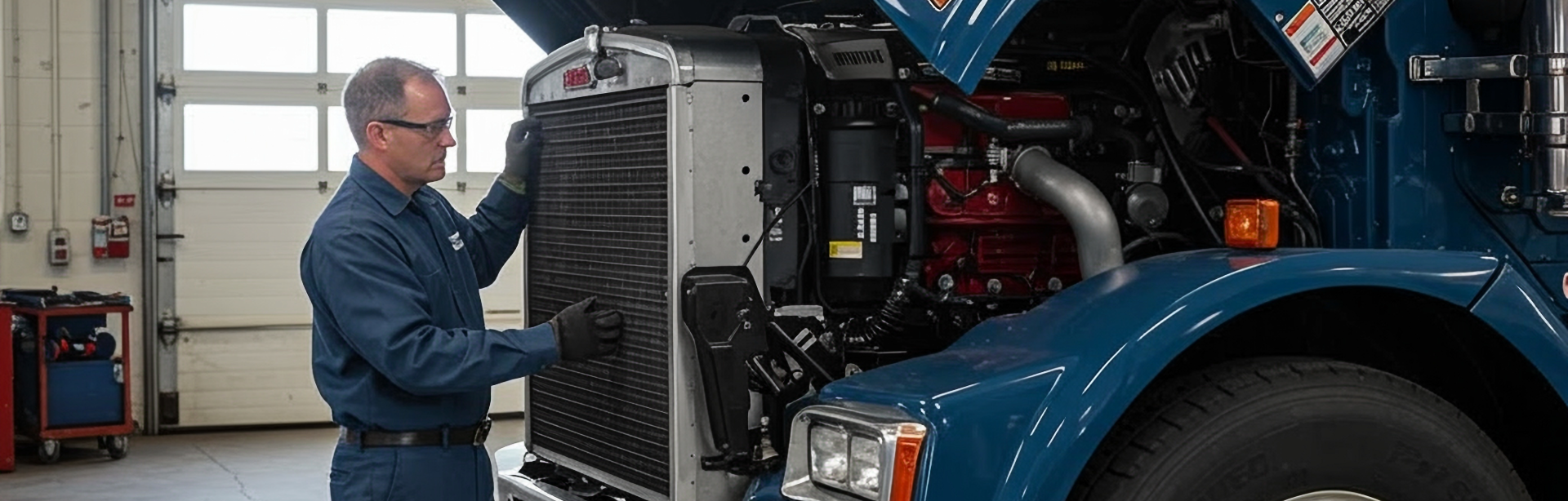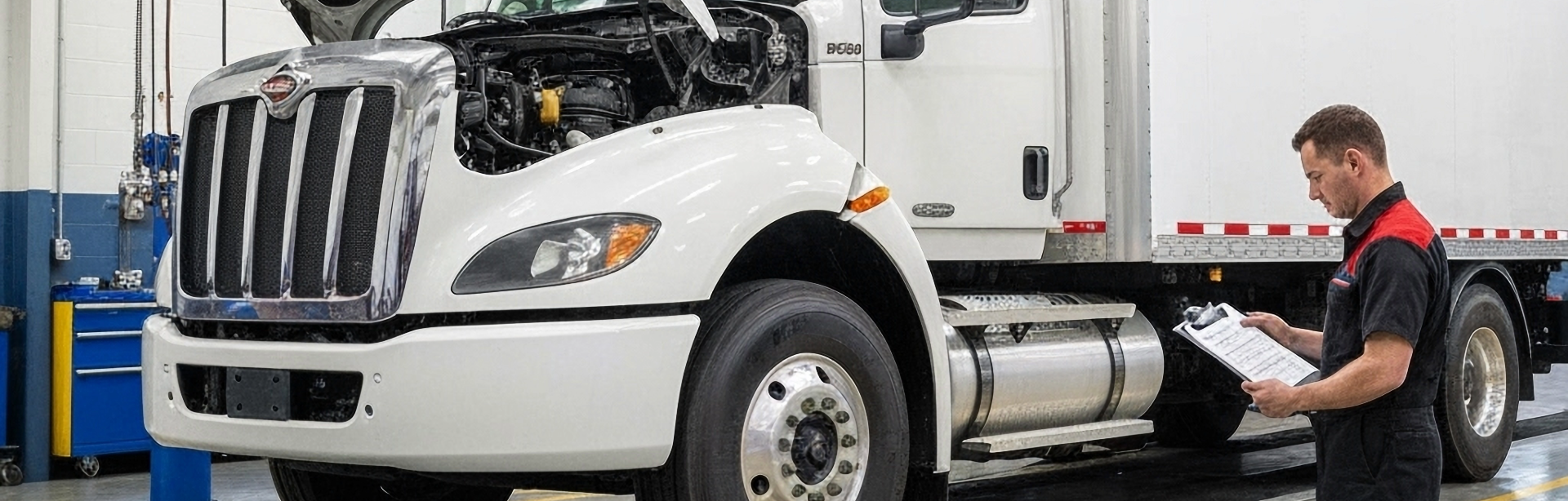
The frontline defense against non-compliance is a rigorous, daily Driver Vehicle Inspection Report (DVIR). Establishing a disciplined daily pre-trip routine ensures your drivers catch minor mechanical defects before they escalate into dangerous failures or costly FMCSA penalties.
The 4 Critical Pillars of a Comprehensive Pre-Trip Checklist
Under regulations enforced by the Federal Motor Carrier Safety Administration (FMCSA), drivers are legally required to satisfy themselves that their commercial motor vehicle is in safe operating condition prior to driving. A standard pre-trip inspection should systematically cover four main vehicle areas:1. Brakes & Compressed Air Systems
Brake-related defects are consistently the top reason commercial vehicles are placed out of service during roadside enforcement.- Air Leakage Rate: Perform an applied pressure test to ensure system air pressure does not drop more than 3 psi per minute for single vehicles (or 4 psi for combination units).
- Brake Linings & Pads: Verify that friction material is not oil-contaminated, cracked, or worn below the minimum allowable thickness (1/4 inch for steer axle drum brakes).
- Slack Adjusters & Hoses: Inspect air hoses for chafing, kinks, or audible leaks, and verify automatic slack adjuster pushrod travel.
2. Tires, Wheels, and Wheel End Assemblies
South Florida heat combined with heavy payloads creates extreme tire wear and thermal buildup.- Tread Depth: Steer axle tires must maintain a minimum tread depth of 4/32 inch; drive and trailer tires require a minimum of 2/32 inch.
- Inflation Pressure: Check tire pressure with an accurate gauge—never rely on a visual estimate or tire thumper alone.
- Lug Nuts & Hub Seals: Inspect wheel rims for cracked mounting holes and look for rust streaks around lug nuts (indicating loose fasteners) or oil leaking from hub caps.
3. Lighting, Reflectors, and Electrical Connections
Lighting failures are among the easiest infractions for law enforcement officers to spot on local roads like Okeechobee Boulevard or Southern Boulevard.- Full Lighting Check: Walk around the entire vehicle to verify operational status for headlights (high/low beams), turn signals, brake lights, reverse lights, hazard flashers, and clearance lamps.
- Conspicuity Tape: Ensure red-and-white retroreflective tape on trailers and cab backs is clean, intact, and meets coverage requirements.
4. Coupling Devices and Steering Mechanisms
Coupling integrity is paramount when pulling heavy freight or multi-axle trailers.- Fifth Wheel & Kingpin: Verify the fifth wheel skid plate is properly lubricated, the locking jaws are fully closed around the kingpin, and the release lever is in the locked position.
- Steering Linkage: Check for excessive play in the steering wheel (no more than 2 inches of free play on a 20-inch wheel) and inspect power steering fluid levels.
Bridging Driver Habits with Certified In-House Inspections
While a daily pre-trip checklist helps drivers catch day-to-day wear, it works best when supported by formal preventative shop service. Catching a minor brake line wear mark during a morning walk-around allows you to schedule a quick shop visit before that line bursts on the road.Enrolling your commercial fleet in regular commercial truck safety inspection in West Palm Beach services gives you peace of mind that every vehicle in your yard undergoes rigorous technical evaluation by trained professionals. Certified inspectors check underlying mechanical tolerances that drivers cannot easily inspect on the tarmac.
When repairs or mandatory documentation are required, visiting our dedicated commercial fleet service center ensures all compliance paperwork is logged accurately, keeping your vehicles legally cleared for operation across Florida highways.