
Al Packer Ford West Palm Beach - Do I Need Dual Rear Wheels on a 2027 Ford Super Duty F-350 around Palm Beach Gardens, FL?
Choosing between single rear wheel and dual rear wheel configurations can shape how a heavy-duty truck feels, tows, hauls, parks, and supports daily life. For shoppers considering a 2027 Ford Super Duty F-350 around Palm Beach Gardens, FL, this decision often comes down to how much weight the truck will manage and how often maximum stability matters. The Super Duty® F-350® is engineered for serious work, but the best configuration is the one that matches the driver’s real responsibilities rather than the largest possible specification on paper.
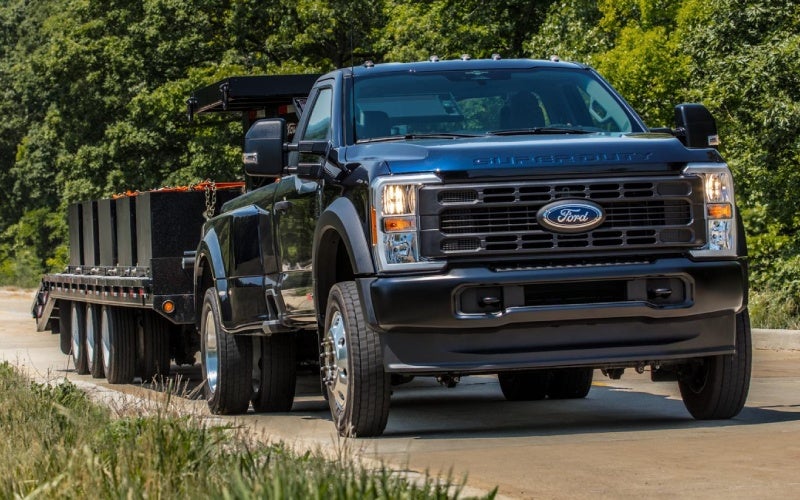
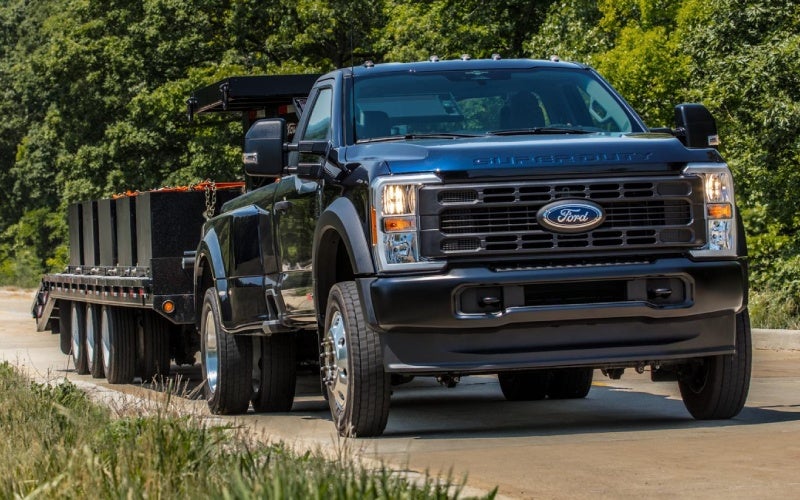
Ford explains the difference clearly. Single rear wheel, often called SRW, uses one wheel on each side of the rear axle. This option is best suited for light to moderate towing and everyday driving because it offers better maneuverability. Dual rear wheel, commonly called DRW, uses two wheels on each side of the rear axle. This setup is ideal for heavy-duty towing and hauling because it provides greater stability, higher towing and payload capacity, and improved weight distribution. That difference is especially important when a truck will regularly pull large trailers or carry heavy cargo.
How SRW and DRW Change the Truck’s Personality
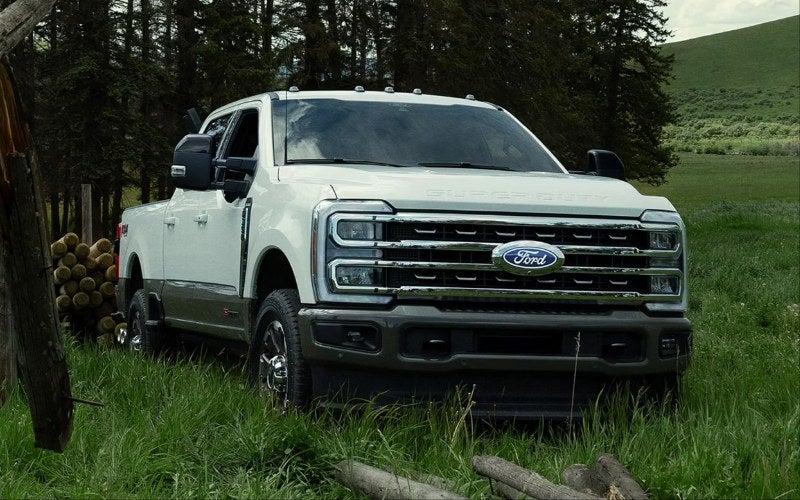
An SRW Super Duty® F-350® can be a strong choice for drivers who need heavy-duty capability but still want the truck to feel manageable in more everyday settings. It may be easier to park, easier to position in tighter areas, and more convenient for routes that include shopping centers, residential streets, boat ramps, or job locations with limited space. If towing is occasional or moderate, SRW may provide the right blend of capability and daily drivability.
A DRW Super Duty® F-350® is built for a different type of confidence. The additional rear wheels create a wider rear footprint, which can help when handling substantial tongue weight, tall trailers, or heavy cargo loads. That extra stability can be valuable for contractors moving equipment, owners towing large fifth-wheel campers, agricultural users, and anyone who frequently operates near the top end of the truck’s capability. It is not only about strength - it is about control, planted handling, and weight management.
When Dual Rear Wheels Make the Most Sense
Dual rear wheels are most beneficial when heavy towing or hauling is part of the weekly routine. Ford lists impressive Super Duty® capability, including up to 40,000 lbs of maximum available gooseneck towing, up to 35,000 lbs of maximum available 5th-wheel towing, and up to 30,000 lbs of maximum available conventional towing when properly equipped. The exact numbers depend on configuration, but DRW often becomes the smarter path when a buyer is building a truck around maximum towing stability.
Before choosing, think about the trailer and cargo types that will be part of the truck’s life. A large enclosed trailer, heavy equipment trailer, gooseneck trailer, or fifth-wheel RV can place very different demands on the rear axle compared with a smaller utility trailer. Payload also matters. The Super Duty® lineup offers up to 7,900 lbs of best-in-class maximum available gas payload and up to 6,935 lbs of best-in-class maximum available diesel payload when properly configured. If your loaded cargo and trailer setup demands more rear-axle support, DRW deserves a close look.
- Choose SRW if: You want strong capability with easier maneuverability for daily routes, parking, and moderate towing.
- Choose DRW if: You frequently tow large trailers, haul heavy payloads, or want added stability from a wider rear stance.
- Review payload carefully: Trailer tongue weight, passengers, tools, cargo, and accessories all count toward real-world load planning.
- Consider parking space: DRW trucks are wider at the rear, so daily parking and storage space should be part of the decision.
- Match the engine to the mission: The available 6.7L High-Output Power Stroke® V8 Turbo Diesel B20 engine is ideal for maximum torque needs, while the 7.3L 2V DEVCT NA PFI V8 Gas engine supports excellent gas payload capability.
These points help narrow the decision, but the right answer is usually found by reviewing your exact trailer, cargo, routes, and passenger needs. A truck used for business deliveries around South Florida may need a different setup than one built for towing a large camper on long highway trips. The more specific your information is, the easier it becomes to choose confidently.
Technology That Helps Either Configuration Work Smarter
Whether SRW or DRW is the right fit, the Super Duty® F-350® offers technology designed to make a large truck easier to operate. Available Ford Co-Pilot360® 2.0 features help support driver awareness, while the available 360-Degree Camera gives a bird’s-eye view when parking or maneuvering. Available trailer reverse guidance can help when backing a trailer, and available PowerScope® trailer tow mirrors improve visibility along the sides of a trailer. Tow/Haul mode is also important because it adjusts transmission behavior for heavy loads and can enhance engine braking on descents.
The cabin also supports productivity. Available features such as a 12" center display with SYNC® 4, head-up display, digital rear view mirror availability on Lariat®, King Ranch®, and Platinum® models, and connected services through the Ford Connectivity Package help the truck function as a command center. For shoppers serving Delray Beach, Boynton Beach, and Palm Beach Gardens, these systems can make a real difference during workdays that include highways, equipment yards, service calls, and trailer positioning.
How to Decide Before You Buy
A practical way to decide is to build your ownership profile. Start with the heaviest trailer you plan to tow, the typical cargo you carry, the number of passengers, and the driving spaces you use most often. Then compare that information against F-350® configurations, towing equipment, bed length, cab size, drivetrain, and engine choice. Remember that ratings are configuration-dependent, so a properly equipped truck is essential.
- Identify your heaviest trailer: Include the trailer’s loaded weight rather than the empty weight.
- Add payload demands: Account for passengers, cargo, tools, hitch equipment, and accessories.
- Evaluate driving space: Consider parking garages, driveways, jobsite access, and storage areas.
- Compare towing frequency: Occasional towing may favor SRW, while frequent heavy towing may favor DRW.
- Test drive both if possible: Compare turning feel, mirror visibility, ride comfort, and confidence at low speeds.
Al Packer Ford West Palm Beach can help shoppers compare these options with real-world use in mind. A thoughtful conversation about your trailer, cargo, and driving routine can quickly reveal whether SRW or DRW better supports your goals. The best truck is not just the one with impressive capability - it is the one configured so that every feature works for your day-to-day life.
Frequently Asked Questions:
Is DRW always better for towing?
DRW is better suited for heavy-duty towing and hauling because it provides greater stability, higher capacity potential, and improved weight distribution. However, SRW can still be the better choice for drivers who tow lighter or moderate loads and want easier everyday maneuverability.
Does SRW make the Super Duty® F-350® easier to live with?
For many owners, yes. SRW typically feels easier to park and maneuver because the rear of the truck is narrower. That can be helpful for residential use, retail parking areas, and tighter work locations.
Should I choose diesel with DRW?
The available 6.7L High-Output Power Stroke® V8 Turbo Diesel B20 engine pairs naturally with many heavy towing needs because it delivers 1,200 lb-ft of torque. Still, the standard 7.3L gas V8 is highly capable and supports excellent maximum available gas payload when properly equipped.
What should I bring when discussing SRW versus DRW?
Bring trailer weight information, cargo estimates, hitch details, passenger needs, and any parking or storage constraints. Those details help a Ford product specialist recommend a configuration that fits real use rather than guesswork.
The SRW versus DRW decision is not about choosing the most extreme truck by default. It is about matching stability, maneuverability, towing strength, payload support, and daily convenience to your ownership needs. For shoppers who want a heavy-duty Ford that feels properly built for the task, the Super Duty® F-350® offers the flexibility to get that choice right.